

 English
 中文简体
中文简体
Table of Contents
- 1 Coenzyme Q10: The "Energy Engine" of the Heart, a Core Nutrient for Protecting Cardiovascular Health
- 2 Aging + Life Stress, Multiple Factors Lead to the Need for Additional Coenzyme Q10 Supplementation
- 3 Oxidized Coenzyme Q10 is a "Waste of Supplementation," Prioritize Supplementing with Reduced Coenzyme Q10
- 4 Research Findings on Coenzyme Q10 Absorption: These Are Worth Our Reference
- 5 A Gentle Reminder: No Matter How Busy You Are, Don't Forget to Cherish Yourself
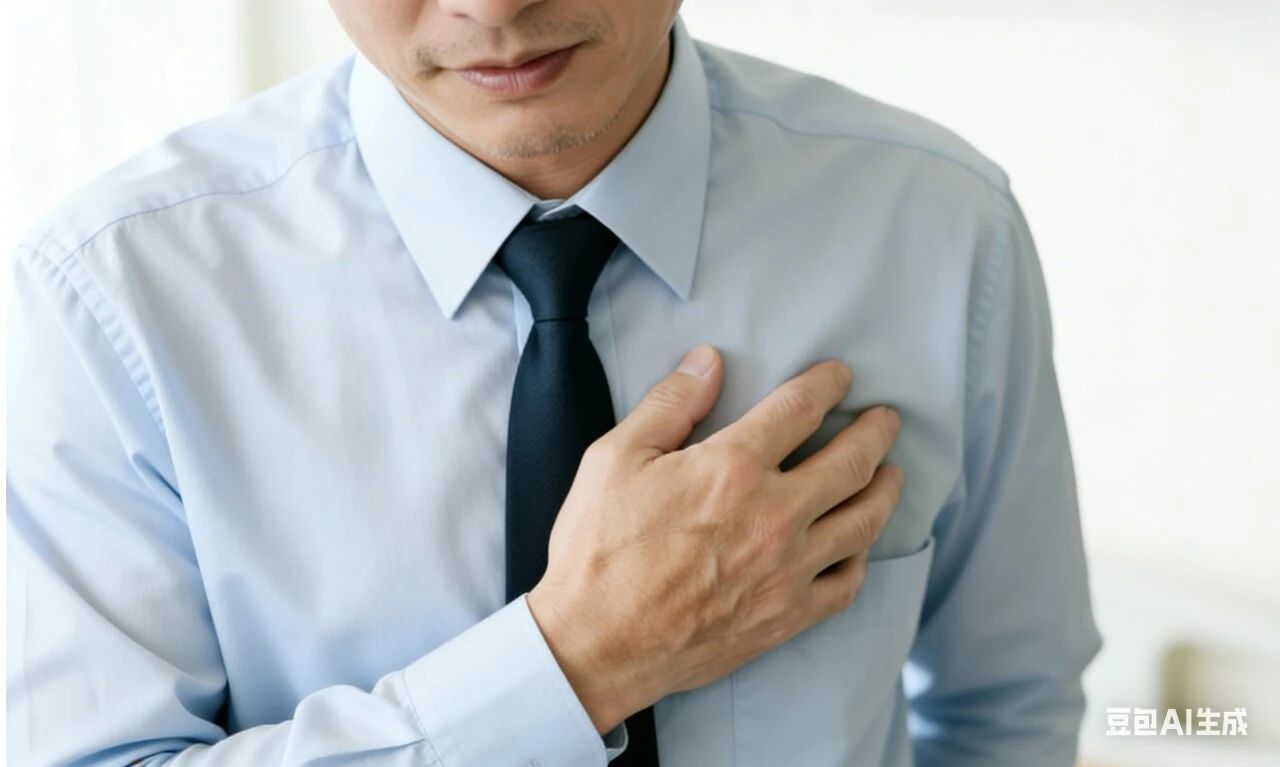
Heart Health Alarm Bell
Recently, the news of Mr. Zhang Xuefeng's passing due to sudden cardiac death has left countless people feeling deeply sorry and heartbroken. At 41, an age for striving hard for life and family, his life was abruptly paused by an unexpected health incident. This once again serves as a wake-up call for us: in the high-intensity, high-pressure rhythm of life, heart health is never a small matter to be ignored.
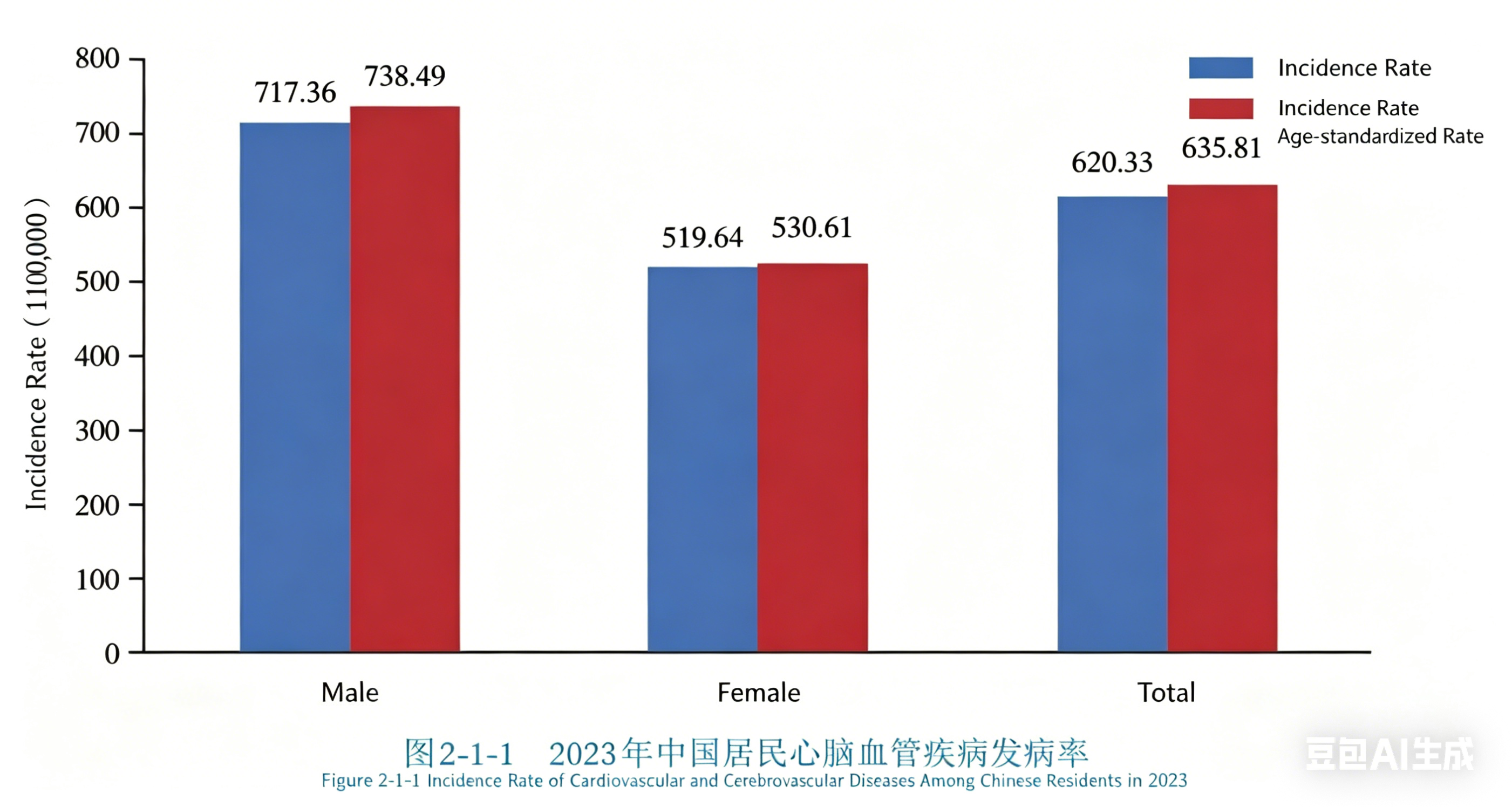
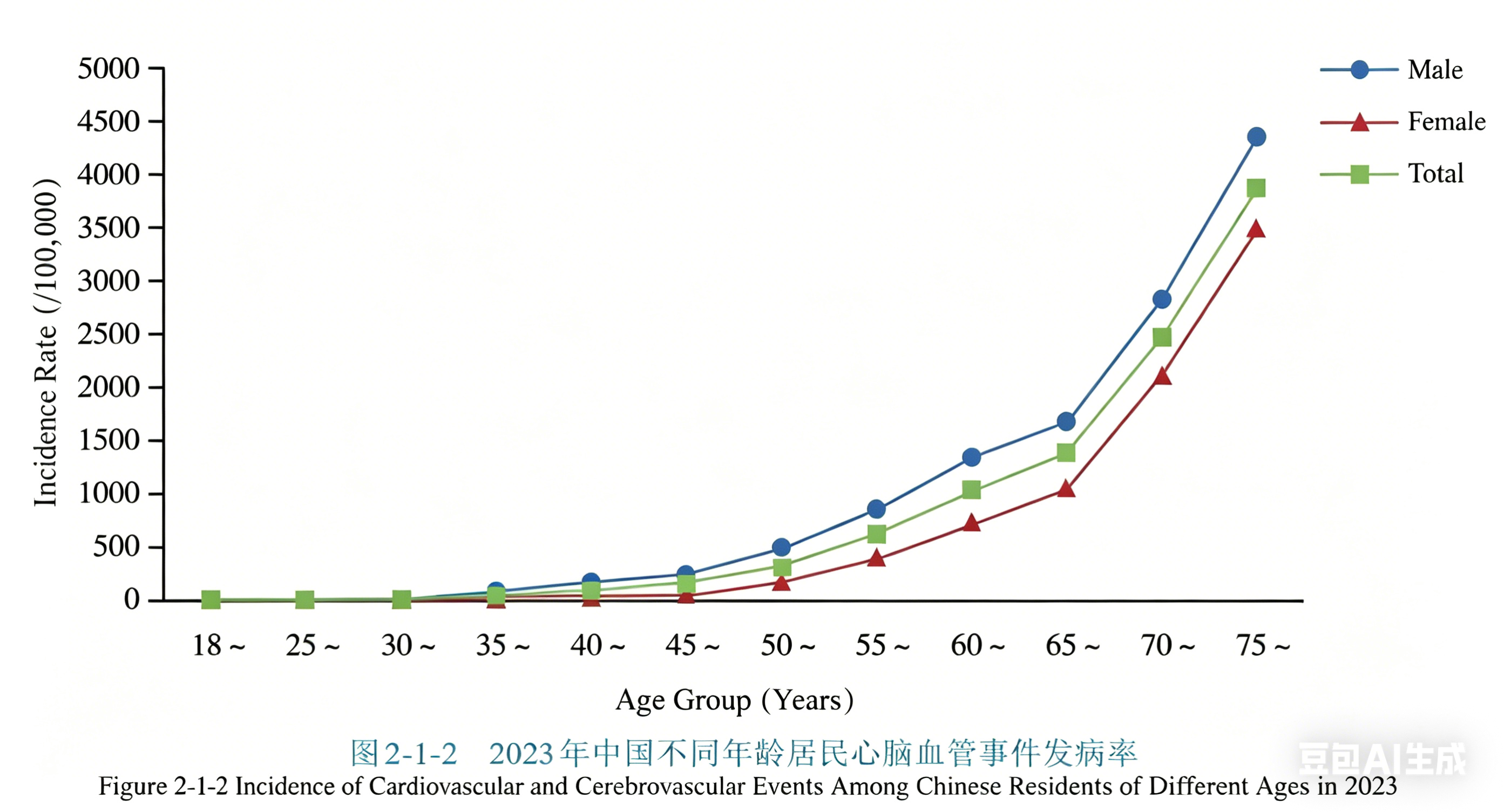
Sudden cardiac death may seem sudden, but it is often the result of accumulated long-term late nights, excessive fatigue, mental tension, and physical exhaustion. Data from the "China Cardiovascular Health and Disease Report 2024" shows that the crude incidence rate of cardiovascular and cerebrovascular diseases (including sudden cardiac death) among residents aged 18 and above in China is 620.33 per 100,000, increasing rapidly with age, with the incidence rate in men significantly higher than in women. Among the nutrients we can actively use to protect cardiovascular health daily, Coenzyme Q10 is particularly important for the heart.
Today, we just want to use a sincere reminder and a thoughtful science popularization to talk with everyone about heart health, why Coenzyme Q10 is indispensable for protecting the heart, and how to supplement it correctly to make this care truly effective.
Coenzyme Q10: The "Energy Engine" of the Heart, a Core Nutrient for Protecting Cardiovascular Health
The heart is the most diligent organ in the human body, beating continuously from birth to death. This continuous operation relies on a constant supply of energy, and Coenzyme Q10 is precisely the core substance of energy metabolism in myocardial cells, an indispensable key nutrient for protecting heart health.
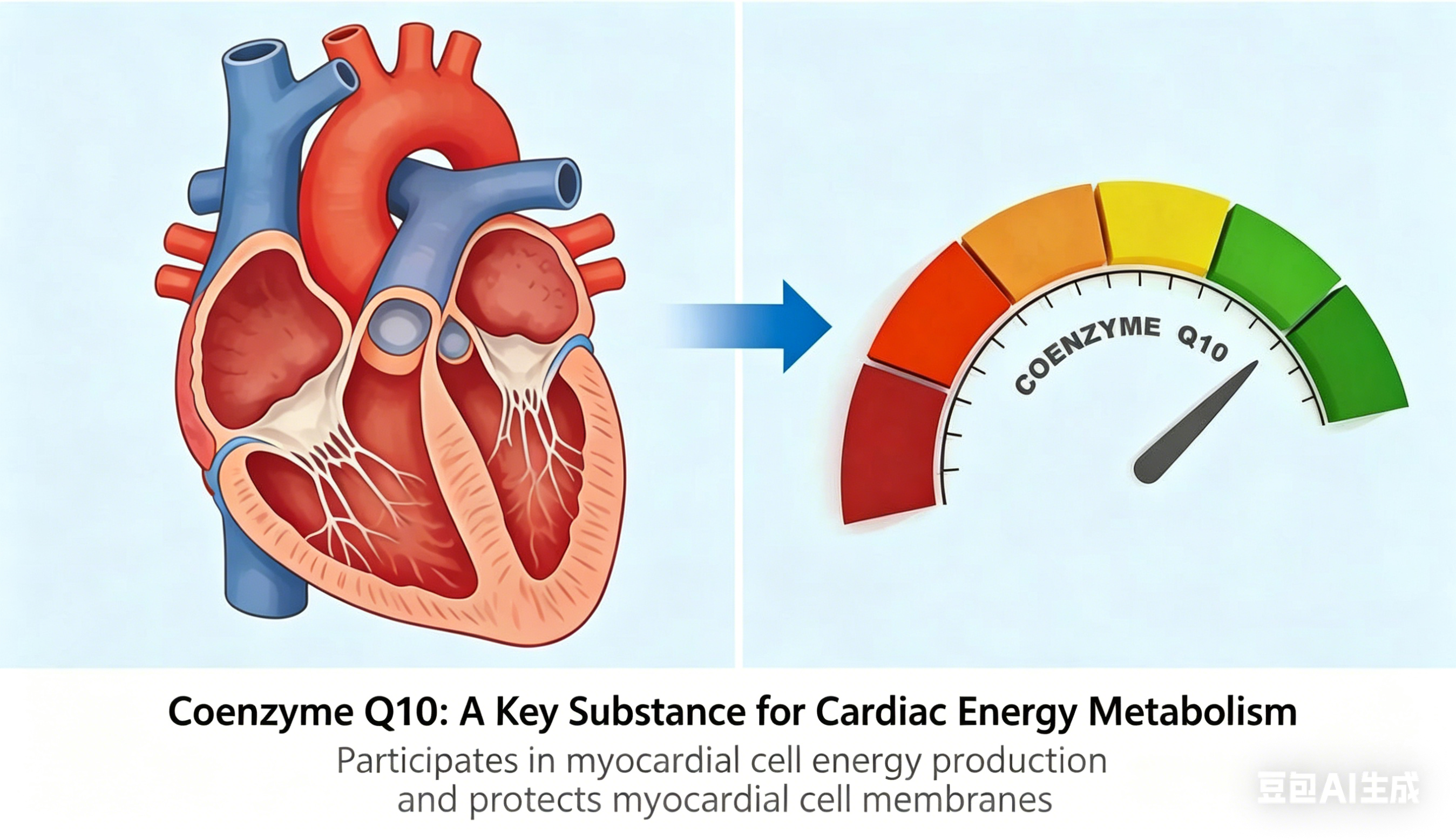
The protective effect of Coenzyme Q10 on the heart is mainly reflected in two core aspects, which complement each other to build a solid cardiovascular defense:
- Firstly, it provides energy to the myocardium, maintaining normal heart function. It acts like the heart's "energy engine," participating in the synthesis and conversion of energy in myocardial cells, providing stable and continuous energy for the heart's contraction and relaxation. This makes the heartbeat more powerful and rhythm more stable, avoiding problems like palpitations, fatigue, and decreased myocardial function caused by insufficient energy.
- Secondly, it protects the myocardium through antioxidant effects, reducing damage. Coenzyme Q10 has potent antioxidant activity, clearing excess free radicals in the body, reducing oxidative damage to myocardial cell membranes by free radicals, and protecting the integrity of myocardial cells. It also improves the myocardium's ability to withstand hypoxia, helping the heart maintain normal function under high pressure and fatigue, and reducing the risk of cardiovascular incidents.
In short, sufficient Coenzyme Q10 is the "cornerstone" of heart health. Whether for daily care or preventing sudden cardiac death, it plays an irreplaceable and important role.
Aging + Life Stress, Multiple Factors Lead to the Need for Additional Coenzyme Q10 Supplementation
Many people mistakenly believe that a daily diet can meet the body's need for Coenzyme Q10. However, in reality, multiple factors such as aging and life stress cause a serious imbalance in the body's own Coenzyme Q10 supply and demand, making additional supplementation an inevitable choice.
Among these influencing factors, aging and life stress, combined with other related factors, collectively cause an imbalance in the body's Coenzyme Q10 supply and demand, necessitating additional supplementation. Here are the most critical points:
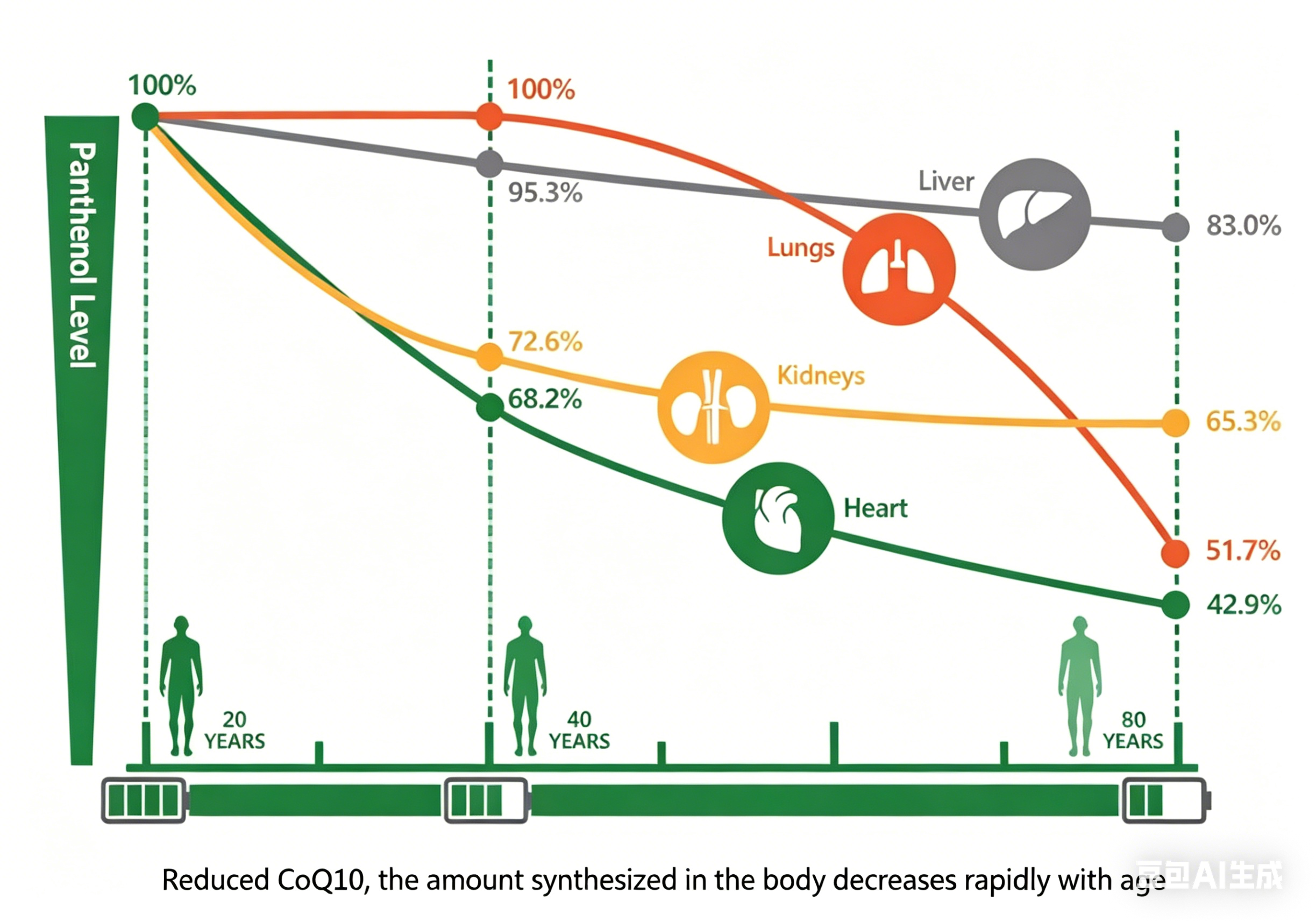
- First, aging and the occurrence of diseases both lead to reduced Coenzyme Q10 synthesis function. The body's ability to synthesize reduced Coenzyme Q10 peaks around the age of 20 and then continuously declines with age. This is because the mitochondrial DNA, which houses Coenzyme Q10, is damaged by oxygen free radicals, leading to decreased synthesis capacity. Data [1] shows that at age 40, Coenzyme Q10 (ubiquinol) levels in key organs like the heart and kidneys have dropped to 68%-73% of levels at age 20; by age 80, heart ubiquinol levels are only 42.9%. Concurrently, the occurrence of chronic diseases such as cardiovascular disease and diabetes further damages mitochondrial function, exacerbating the decline in Coenzyme Q10 synthesis capacity, making the body's own synthesis unable to meet the basic needs of the myocardium.
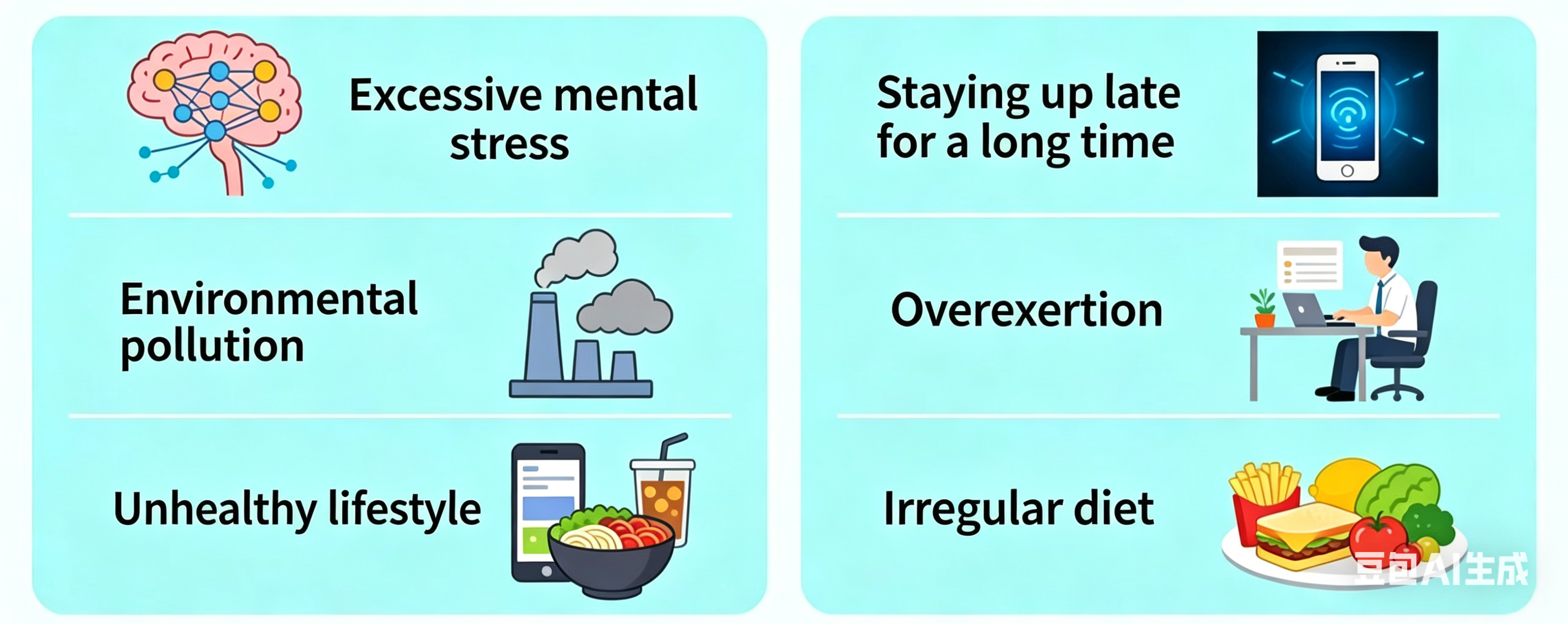
- Second, factors like high mental stress, environmental pollution, and unhealthy lifestyles accelerate Coenzyme Q10 consumption. In modern society, chronic mental tension, anxiety, and irritability keep the body in a continuous stress state, significantly increasing Coenzyme Q10 consumption. Harmful substances from environmental pollution trigger oxidative stress reactions in the body, leading to massive free radical production. As a potent antioxidant, Coenzyme Q10 is heavily consumed during the process of clearing free radicals. Additionally, unhealthy lifestyle habits such as chronic late nights, excessive fatigue, and irregular eating put the body in a high-load state. As a "major energy consumer," the heart consumes more Coenzyme Q10 under high pressure, further exacerbating the body's deficiency.
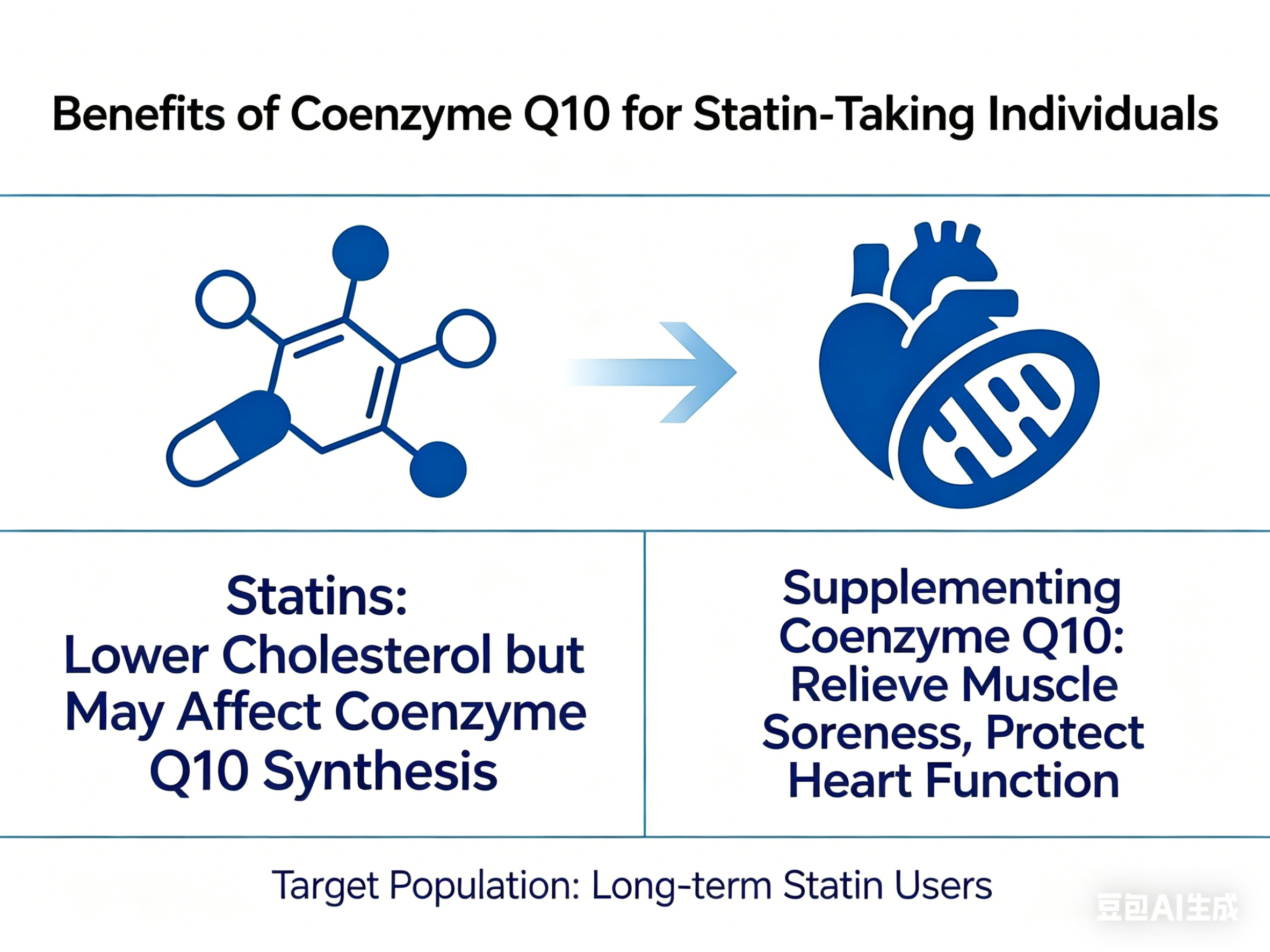
- Third, the use of statin drugs lowers the body's Coenzyme Q10 levels, and individuals in this category must supplement additionally. Statins are commonly used lipid-lowering drugs in clinical practice. Their core action is to inhibit cholesterol synthesis, but in this process, they simultaneously inhibit the synthesis of Coenzyme Q10, leading to a significant decrease in the body's Coenzyme Q10 levels, potentially causing discomfort like palpitations and fatigue, and even increasing the burden on the heart. Therefore, medical consensus clearly states that all patients undergoing statin lipid-lowering therapy must supplement with Coenzyme Q10 to compensate for the drug-induced loss, protect myocardial function, and reduce side effects.
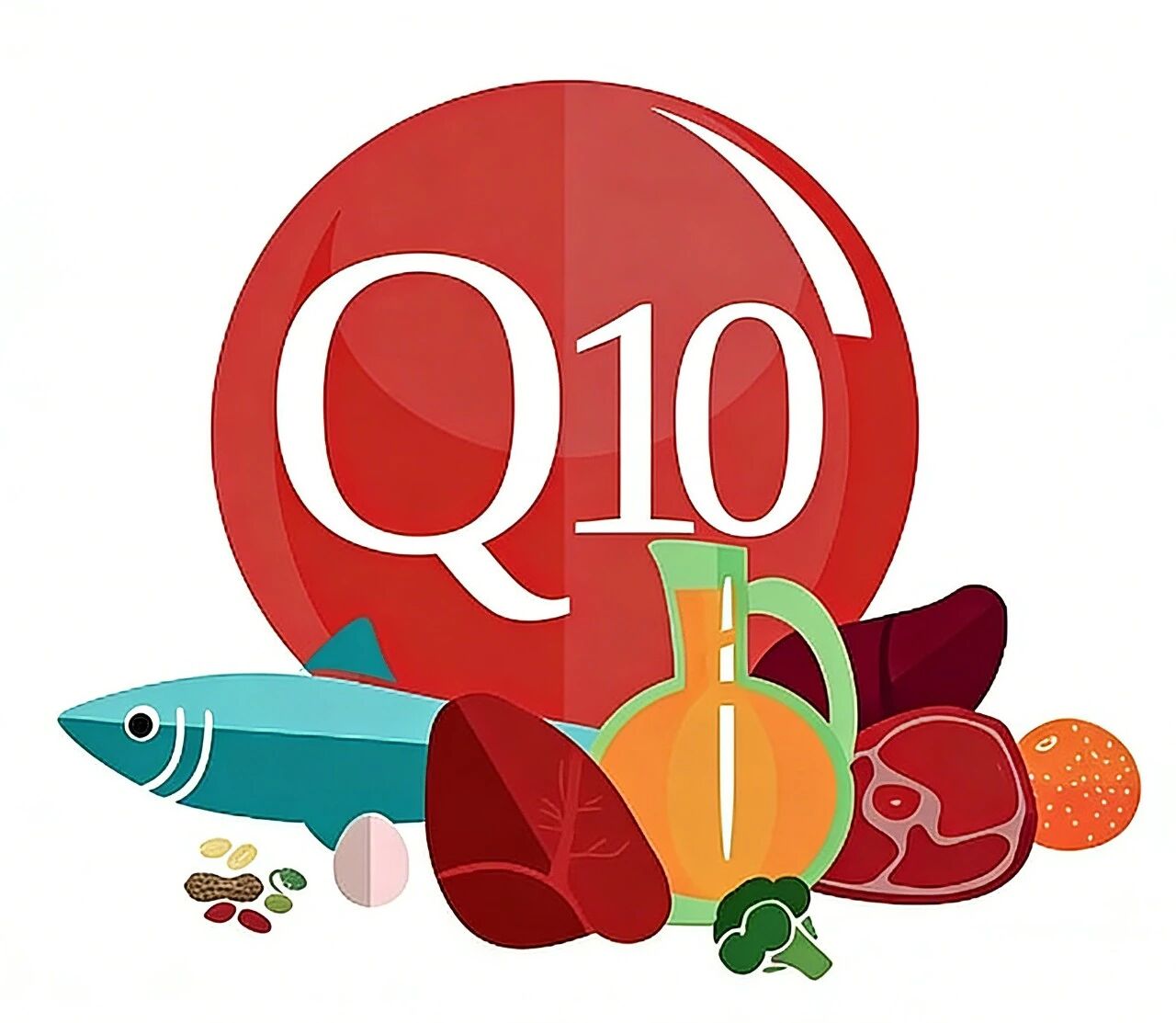
- Fourth, dietary intake is severely insufficient to meet the body's daily needs. According to the "Health Food Raw Material Directory Coenzyme Q10" (2021 Edition) and supporting testing standards, the daily requirement for Coenzyme Q10 for an adult is 40-50 milligrams, a scientific range that balances safety and effectiveness. However, the content of Coenzyme Q10 in natural diets is generally low. Even by consuming foods relatively high in Coenzyme Q10, such as sardines and pork liver, one can only obtain 4-7 milligrams from the diet daily, which is a drop in the bucket compared to the daily requirement and is completely insufficient to meet the body's normal operational needs.
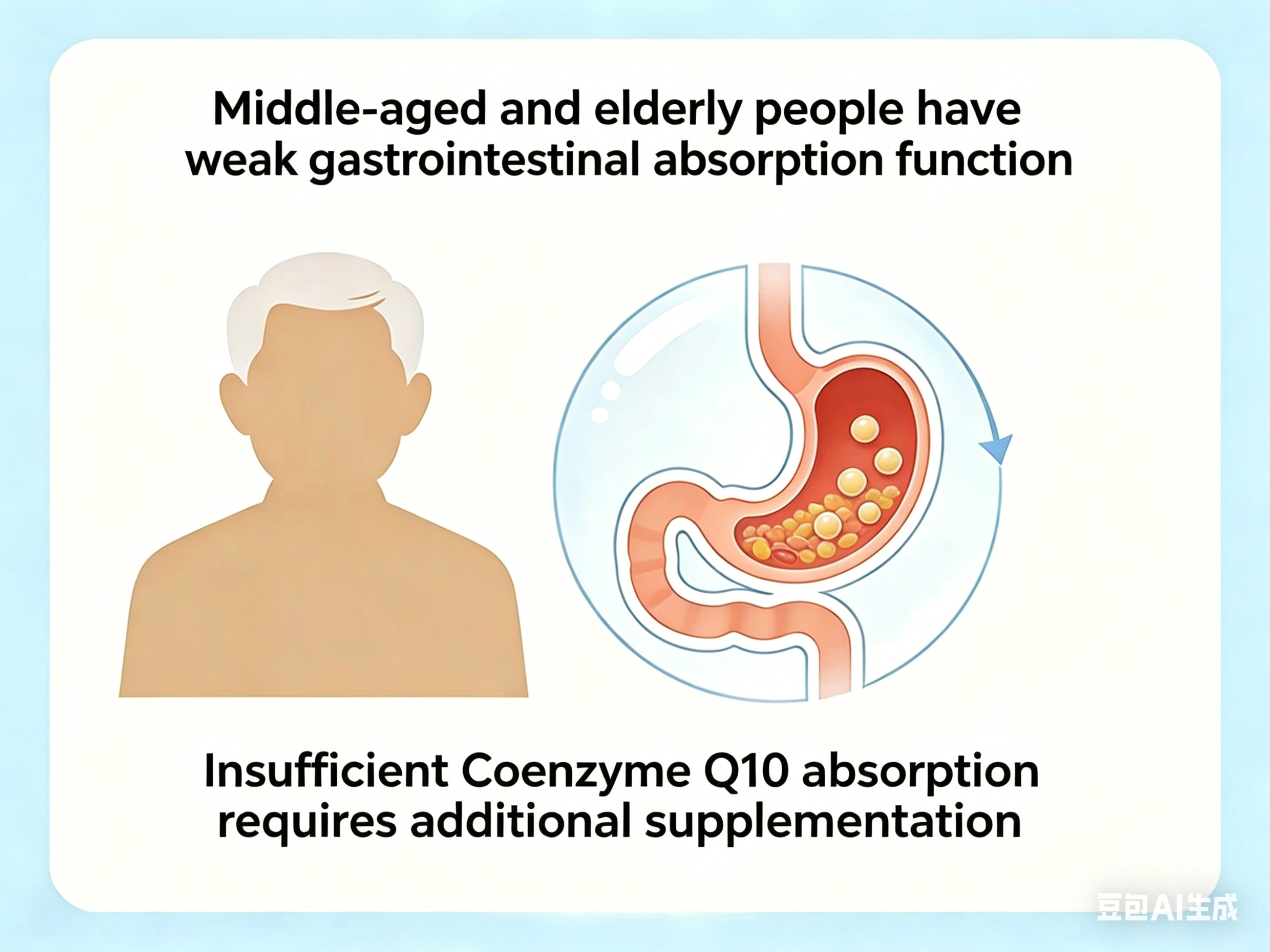
- Fifth, the decline in gastrointestinal absorption function in middle-aged and elderly people further exacerbates insufficient intake. Coenzyme Q10 is a fat-soluble nutrient, and its absorption depends on the assistance of gastric acid and bile. As people age, gastric acid secretion decreases and bile acid synthesis declines, leading to an average absorption rate of fat-soluble nutrients of less than 20%. Even if a small amount of Coenzyme Q10 is consumed through diet, it is difficult to absorb and utilize effectively. Coupled with the decreased synthesis capacity, dietary intake is far from meeting the body's Coenzyme Q10 needs, making additional supplementation an inevitable choice.
In summary, aging and disease lead to "decreased synthesis," various stresses and medications lead to "increased consumption," and insufficient dietary intake and absorption capacity lead to "inadequate intake." With the combination of multiple factors, relying solely on the body's own synthesis and dietary intake can no longer meet the body's demand for Coenzyme Q10. Additional supplementation becomes a necessary means to protect heart health.
Oxidized Coenzyme Q10 is a "Waste of Supplementation," Prioritize Supplementing with Reduced Coenzyme Q10
Many people realize the importance of Coenzyme Q10 and insist on supplementing but see no results. The core problem is not "no need for supplementation," but "supplementing the wrong type" – the common oxidized Coenzyme Q10 on the market, due to the genetic characteristics of Chinese people and age factors, cannot be effectively utilized by the body. There are two specific reasons, with clear logic and supporting research:
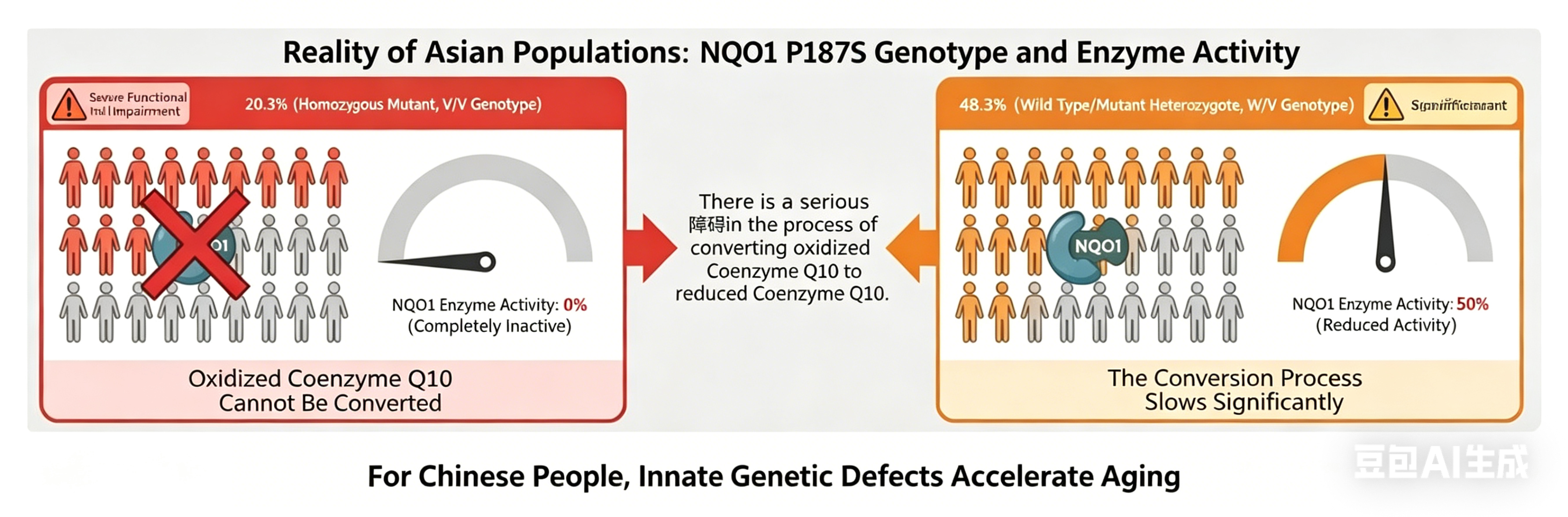
- First, the genetic characteristics of Chinese people prevent the effective conversion of oxidized Coenzyme Q10 [2]. After entering the human body, oxidized Coenzyme Q10 cannot be directly absorbed and utilized by cells. It must be converted into the reduced form (ubiquinol) by the NQO1 reductase in the body to function. However, research on East Asian populations (including Chinese) shows that our genes have a natural bottleneck: about 20.3% of people have a homozygous mutation type, with NQO1 enzyme activity at 0%, completely unable to convert; about 48.3% are heterozygous, with enzyme activity at only 50%, significantly reducing conversion efficiency. This means that over 60% of Chinese people are inherently unable to effectively utilize oxidized Coenzyme Q10; no matter how much they supplement, it is difficult for it to work.
- Second, increasing age further reduces the conversion efficiency of oxidized Coenzyme Q10. In addition to the inherent limitations of genetics, increasing age causes the activity of NQO1 enzyme in the body to continuously decline. Even individuals not in the gene mutation group will see their conversion capacity decrease with age: in people over 40, conversion efficiency drops by over 30% compared to age 20; in people over 60, conversion efficiency is less than half of what it was in their youth. Simultaneously, aging itself leads to a decrease in the body's own synthesis of reduced Coenzyme Q10. Supplementing with oxidized Coenzyme Q10 at this point only exacerbates the awkward situation of "wasting supplementation" due to "difficulty in conversion."
Therefore, to truly energize the heart and avoid "wasting supplementation with the wrong type," directly supplementing with reduced Coenzyme Q10 (ubiquinol) is the scientific choice – it requires no enzymatic conversion, is directly absorbed and utilized by the body, adapts to the genetic characteristics of Chinese people, solves the problem of declining conversion capacity in middle-aged and elderly people, and makes supplementation truly effective.
Research Findings on Coenzyme Q10 Absorption: These Are Worth Our Reference
In research on Coenzyme Q10 supplementation, how to improve the absorption efficiency of fat-soluble Coenzyme Q10 has always been a key research focus within the industry. Cocrystal technology is precisely an important research outcome in this field in recent years, validated by standardized human clinical trials, and provides us with more specific reference directions for scientifically supplementing Coenzyme Q10.
The core challenge of Coenzyme Q10 absorption lies in its poor solubility due to fat-solubility. The core value of cocrystal technology is to improve the solubility and dissolution rate of fat-soluble substances through precise intermolecular binding, solving the "difficult absorption" problem at its root.
Applying this technology to the preparation of reduced Coenzyme Q10, relevant human clinical data provide clear results: the bioavailability of reduced Coenzyme Q10 treated with cocrystal technology is significantly enhanced, with absorption efficiency far superior to ordinary dosage forms; after continuous supplementation, indicators related to heart health, such as myocardial energy metabolism and antioxidant capacity, show positive improvements; and the safety of long-term supplementation has been validated through standardized trials, making it suitable for daily cardiovascular and cerebrovascular health maintenance.
The significance of this research outcome lies in showing us that with the advancement of science and technology, the goal for Coenzyme Q10 to move from "being supplemented" to "being well-absorbed and utilized" is gradually being realized. For ordinary people, this also provides more specific selection criteria for Coenzyme Q10 supplementation – focusing on formulation technologies that address solubility and enhance absorption efficiency, ensuring that the supplemented nutrients are truly used by the body, making this protection for the heart more meaningful.
A Gentle Reminder: No Matter How Busy You Are, Don't Forget to Cherish Yourself
In recent years, we have often seen such sad health news, leaving us deeply emotional. While striving to make a living and bearing pressure for our families, we often exhaust our bodies, forgetting that health is the foundation of all dreams and responsibilities.
The heart beats for us day and night, accompanying us through late nights and high-pressure tests; we should protect it well. This protection is actually simple: stay up less, get angry less, exercise often, manage stress, and combine this with scientific nutritional support to build a protective barrier for the cardiovascular system. We deeply understand the difficulties and persistence required to keep going, but please remember that while working hard for life, safety and health are fundamental. May every person striving forward value their heart health and take good care of themselves.
Sources:
[1] Redox status of coenzyme q10 is associated with chronological age. J Am Geriatr Soc. 2007, 55(7):1141-1142.
[2] Ethnic variation in the prevalence of a common NAD (P) H quinone oxidoreductase polymorphism and its implications for anti-cancer chemotherapy. British journal of cancer, 1997,76(7), 852-854.
END
Address: Zhejiang | Jiaxing
Official Website: cocrystaltech.com
Email: [email protected]
Phone: 0573-84583582
Long press to scan the QR code, follow Cocrystal Technology, get cutting-edge information and professional exchanges!