


 English
 中文简体
中文简体
Table of Contents
- 1 Understanding Coenzyme Q10 Powder Sources
- 2 Production Process: Natural vs. Synthetic CoQ10
- 3 Bioavailability and Absorption Comparison
- 4 Purity, Safety, and Stability Profiles
- 5 Applications and Formulation Considerations
- 6 Economic and Sustainability Considerations
- 7 FAQ
- 7.1 What is the difference between natural and synthetic Coenzyme Q10 powder?
- 7.2 Which form of CoQ10 powder has better bioavailability?
- 7.3 Are there any side effects associated with CoQ10 powder?
- 7.4 How should I use CoQ10 powder for maximum benefits?
- 7.5 What should I look for when buying CoQ10 powder?
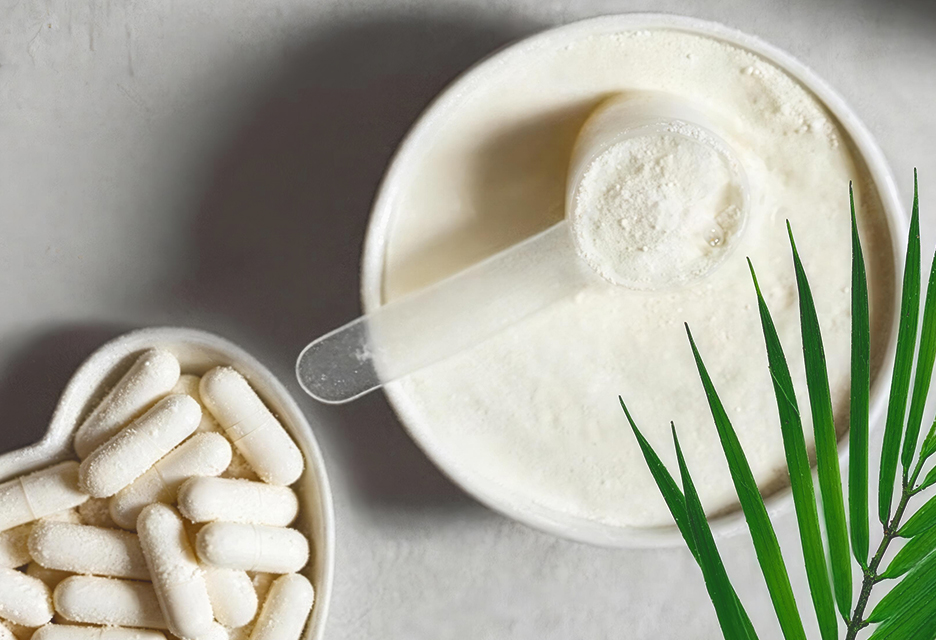
Coenzyme Q10 (CoQ10) is a vital compound that plays a crucial role in cellular energy production and acts as a powerful antioxidant. Available primarily in powder form for commercial and supplemental use, Coenzyme Q10 Powder has sparked significant debate regarding its sourcing methods. This comprehensive analysis compares naturally extracted and synthetic CoQ10 powder, examining their production processes, bioavailability, efficacy, and appropriate applications to help manufacturers and informed consumers make educated decisions.
Understanding Coenzyme Q10 Powder Sources
The fundamental difference between various Coenzyme Q10 Powder products lies in their origin. While molecularly identical in their final purified state, the journey to create each type involves distinct processes that may influence the final product's characteristics, purity, and how it interacts with biological systems. Understanding these foundational differences is essential for evaluating their respective merits.
- Natural Extraction: This method involves isolating CoQ10 from biological sources where it naturally occurs, primarily through fermentation using specific yeast strains or extraction from plant materials.
- Synthetic Production: This industrial approach builds the CoQ10 molecule through controlled chemical synthesis, typically using petroleum-derived precursors as starting materials.
- Purity Considerations: Both methods can achieve high purity levels, though the impurity profiles differ, with natural sources potentially containing trace biological compounds and synthetic versions potentially containing manufacturing residues.
Production Process: Natural vs. Synthetic CoQ10
The manufacturing journey significantly distinguishes these two forms of Coenzyme Q10 Powder. Natural extraction mimics biological processes, while synthetic production relies on industrial chemistry. Each method presents unique advantages and challenges that ultimately influence the final product's characteristics and potential applications.
Natural Extraction Methods
Naturally extracted Coenzyme Q10 Powder is primarily produced through microbial fermentation, where specific yeast strains (such as Sporidiobolus johnsonii) are cultivated in controlled environments to biosynthesize CoQ10. This biological approach mirrors how humans and animals naturally produce this essential coenzyme, potentially resulting in a product that biological systems recognize more readily.
- Fermentation Process: Utilizes selected microorganisms that naturally produce CoQ10 as part of their metabolic processes.
- Extraction and Purification: CoQ10 is carefully extracted from fermentation biomass using solvent extraction and purified through multiple steps.
- Quality Control: Rigorous testing ensures the final Coenzyme Q10 Powder meets purity standards while preserving its natural isomeric form.
Synthetic Production Methods
Synthetic Coenzyme Q10 Powder is manufactured through sophisticated chemical synthesis processes that assemble the complex CoQ10 molecule from simpler chemical precursors. This industrial approach allows for precise control over the manufacturing process and typically results in higher production yields compared to natural methods.
- Chemical Synthesis: Builds the CoQ10 molecule through a series of controlled chemical reactions using petroleum-derived compounds.
- Stereochemistry Control: Ensures the final product contains the biologically active trans-isomer form exclusively.
- Purification Techniques: Employs advanced chromatography and crystallization methods to achieve high purity levels.
Production Method Comparison Table
| Production Aspect | Natural CoQ10 | Synthetic CoQ10 |
| Starting Materials | Biological sources (yeast, plants) | Petroleum-derived precursors |
| Process Type | Fermentation and extraction | Chemical synthesis |
| Production Scale | Moderate scalability | Highly scalable |
| Energy Consumption | Generally lower | Typically higher |
| Environmental Impact | Potentially more sustainable | Requires chemical waste management |
Bioavailability and Absorption Comparison
One of the most critical considerations when selecting Coenzyme Q10 Powder is its bioavailability—the extent and rate at which the active compound reaches systemic circulation. This characteristic directly influences efficacy and is a primary concern for formulators developing supplements and functional foods. Research indicates that while the molecular structure is identical, formulation and presentation can significantly impact absorption.
- Molecular Identity: Both natural and synthetic CoQ10 share identical molecular structures when purified.
- Formulation Impact: The delivery system (oil-based, emulsified, or crystal form) dramatically affects bioavailability regardless of source.
- Particle Size Reduction: Microionization techniques can enhance absorption for both types of Coenzyme Q10 Powder.
Enhancing Bioavailability Through Advanced Formulation
Recent technological advancements have addressed the challenge of CoQ10's inherent lipophilicity and poor water solubility. Companies like Cocrystal Technology Co., Ltd. have pioneered approaches that significantly improve the performance of Coenzyme Q10 Powder. Founded by distinguished scientists affiliated with national laboratories, they specialize in cocrystal technology - an advanced formulation method that significantly enhances the stability, solubility, and bioavailability of active ingredients. As an industry leader in cocrystal-based nutraceuticals, they offer a diverse range of premium active ingredients tailored for human nutrition, animal nutrition, and personal care. Their cocrystal technology platform empowers products with unique properties, ensuring optimal nutrient performance and delivering tangible health benefits.
- Cocrystal Technology: This innovative approach creates molecular complexes that improve dissolution rates and absorption.
- Emulsion Systems: Lipid-based delivery systems can enhance gastrointestinal absorption of both natural and synthetic CoQ10.
- Quality Considerations: The question of which CoQ10 powder is better often comes down to formulation technology rather than source alone.
Purity, Safety, and Stability Profiles
When evaluating Coenzyme Q10 Powder for commercial applications, understanding purity, safety, and stability characteristics is paramount. Both natural and synthetic sources can produce high-quality material, though they may present different impurity profiles and storage considerations that affect shelf life and product integrity.
Purity Standards and Contaminant Profiles
High-purity Coenzyme Q10 Powder typically exceeds 98% purity regardless of source, meeting stringent pharmacopeial standards. However, the nature of potential impurities differs between production methods, which may influence selection for specific applications, particularly when considering CoQ10 powder for energy supplements versus other uses.
- Natural CoQ10 Impurities: May contain trace amounts of fermentation byproducts or naturally occurring analogs.
- Synthetic CoQ10 Impurities: Potential for residual solvents or synthetic intermediates from the manufacturing process.
- Analytical Testing: Advanced chromatography techniques verify purity and identify impurity profiles for both types.
Stability Comparison Table
| Stability Factor | Natural CoQ10 | Synthetic CoQ10 |
| Light Sensitivity | High (requires protection) | High (requires protection) |
| Oxidation Stability | Moderate to high | Moderate to high |
| Thermal Stability | Stable up to 46°C (115°F) | Stable up to 46°C (115°F) |
| Shelf Life (properly stored) | 24-36 months | 24-36 months |
| Recommended Storage | Cool, dark, dry conditions | Cool, dark, dry conditions |
Applications and Formulation Considerations
The selection between natural and synthetic Coenzyme Q10 Powder often depends on the intended application, target market preferences, and formulation requirements. Understanding these practical considerations helps manufacturers optimize their products for specific consumer needs and market segments.
Dietary Supplement Applications
For CoQ10 powder for energy supplements, both natural and synthetic sources provide effective support for cellular energy production. However, market positioning and consumer perception may influence source selection, with some consumers showing preference for naturally sourced ingredients despite identical efficacy.
- Capsules and Tablets: Both CoQ10 types perform well in solid dosage forms, though flowability and compression characteristics may vary.
- Softgel Formulations: Lipid-based delivery systems effectively address solubility challenges for both natural and synthetic CoQ10.
- Powdered Beverages: Requires specialized formulation approaches like emulsification or cocrystal technology to ensure dispersion and absorption.
Functional Food and Cosmetic Applications
Beyond traditional supplements, Coenzyme Q10 Powder finds applications in functional foods and cosmetic products, where stability and compatibility with other ingredients become crucial considerations. This expands the question of how to use CoQ10 powder beyond traditional supplement forms.
- Food Fortification: Both natural and synthetic CoQ10 can enhance the nutritional profile of functional foods, though taste and stability must be considered.
- Topical Applications: The antioxidant properties of CoQ10 benefit skin health products, with particle size significantly influencing skin penetration.
- Product Labeling: Marketing claims may influence source selection, with "naturally sourced" potentially appealing to certain consumer segments.
Economic and Sustainability Considerations
The decision between natural and synthetic Coenzyme Q10 Powder involves balancing economic factors with environmental impact and consumer preferences. Production costs, scalability, and sustainability profiles differ significantly between these two approaches, influencing their suitability for various market segments.
Cost Analysis and Production Economics
When evaluating where to buy CoQ10 powder for commercial applications, understanding the economic factors behind natural versus synthetic production helps contextualize pricing differences. Synthetic production typically offers economies of scale, while natural extraction may command premium pricing aligned with consumer perceptions.
- Production Scale: Synthetic methods typically support larger production volumes with consistent output year-round.
- Raw Material Costs: Natural fermentation requires specialized feedstocks, while synthetic processes use petroleum-derived precursors.
- Research Investment: Both production methods require significant R&D investment to optimize yields and purity.
Environmental Impact Comparison
Sustainability considerations are increasingly important in ingredient selection. The environmental footprint of Coenzyme Q10 Powder production varies between methods, influencing decisions for environmentally conscious manufacturers and consumers concerned about CoQ10 powder benefits and side effects beyond personal health to include ecological impact.
- Energy Consumption: Synthetic production typically requires more energy-intensive processes compared to fermentation.
- Waste Streams: Both methods generate waste requiring proper management—biological waste for natural production and chemical waste for synthetic.
- Renewable Resources: Natural fermentation utilizes renewable biological resources, while synthetic production relies on petrochemical feedstocks.
FAQ
What is the difference between natural and synthetic Coenzyme Q10 powder?
The fundamental difference lies in the production method, not the final molecule. Natural Coenzyme Q10 Powder is produced through yeast fermentation, mimicking biological processes, while synthetic CoQ10 is manufactured through chemical synthesis from petroleum-derived precursors. When purified, both forms contain identical molecular structures of the biologically active trans-isomer. The distinction becomes relevant for consumers with preferences for natural sourcing or specific formulation requirements. Advanced technologies like those developed by Cocrystal Technology Co., Ltd. can enhance the performance of both types through improved delivery systems.
Which form of CoQ10 powder has better bioavailability?
Bioavailability depends more on formulation technology than source material. Both natural and synthetic Coenzyme Q10 Powder face similar absorption challenges due to their lipophilic nature. Advanced formulation approaches—including particle size reduction, lipid-based delivery systems, and cocrystal technology—significantly enhance bioavailability regardless of source. When evaluating which CoQ10 powder is better for absorption, the delivery system typically outweighs the importance of natural versus synthetic origin. Proper formulation can achieve excellent bioavailability with either type of CoQ10.
Are there any side effects associated with CoQ10 powder?
Coenzyme Q10 Powder is generally well-tolerated with an excellent safety profile. Mild, transient side effects may include gastrointestinal discomfort, nausea, or headaches, particularly at higher doses, though these are uncommon. Since CoQ10 plays a role in energy metabolism, some users may experience mild stimulation, making evening administration less desirable for sensitive individuals. When considering CoQ10 powder benefits and side effects, it's important to note that side effects are typically mild and dose-dependent. Those taking blood-thinning medications should consult healthcare providers due to CoQ10's potential mild anticoagulant properties.
How should I use CoQ10 powder for maximum benefits?
To maximize the benefits of Coenzyme Q10 Powder, consume with a meal containing fats or oils to enhance absorption due to its lipophilic nature. The appropriate dosage depends on individual health goals, typically ranging from 100-300 mg daily for general antioxidant support. For specific how to use CoQ10 powder guidance: divide doses throughout the day to maintain stable blood levels, consider formulations designed for enhanced bioavailability, and maintain consistent daily use as benefits accumulate over time. Storage away from light and heat preserves potency in powder formulations.
What should I look for when buying CoQ10 powder?
When evaluating where to buy CoQ10 powder, prioritize third-party verification of purity and potency, which should exceed 98% CoQ10 content. Look for documentation of heavy metal testing and microbial safety. Consider formulation technology—products utilizing absorption-enhancing technologies like cocrystals or emulsified forms may offer better bioavailability. The manufacturer's reputation and transparency about sourcing (natural versus synthetic) also indicate quality. For commercial purchases, request certificates of analysis, stability data, and information about particle size distribution, which affects handling and dissolution properties.


