


 English
 中文简体
中文简体
Table of Contents
Introduction: What is Thymol Powder?
Thymol powder is a natural phenolic compound extracted from certain plants. It is not a synthetic chemical but an organic substance found in nature. Its main sources are the essential oils of plants like thyme, oregano, and wild thyme. These plants produce thymol through photosynthesis to protect themselves from microorganisms and insects.
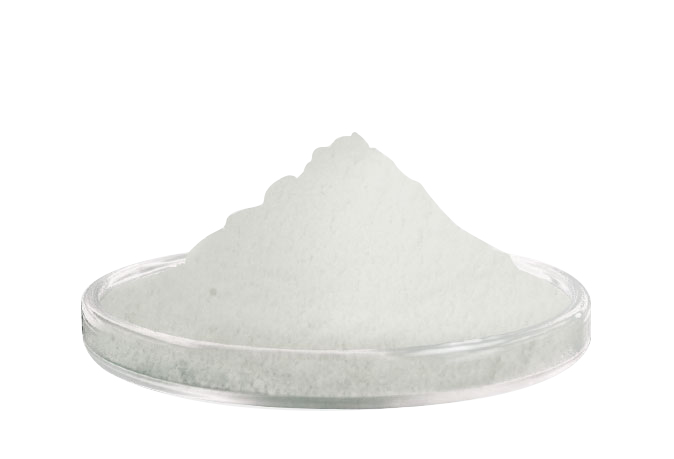
This compound typically appears as a white crystalline powder at room temperature, with a distinctive aromatic scent reminiscent of thyme. It is insoluble in water but dissolves well in alcohol, ether, chloroform, and oils, making it easy to incorporate into various solutions and products.
Thymol powder's widespread use is due to its diverse biological activities, including:
- Antibacterial Properties: It can effectively inhibit the growth of various bacteria and fungi by disrupting their cell membrane structures.
- Antiseptic Properties: By inhibiting microbial activity, it extends the shelf life of products, making it a key choice for natural preservatives.
- Antioxidant Properties: It can scavenge free radicals, slow down oxidation, and protect substances from oxidative damage.
- Anti-inflammatory Properties: In certain applications, it also exhibits some anti-inflammatory effects.
Overall, thymol powder is a versatile natural compound with unique physical and chemical properties, playing an indispensable role in various fields like medicine, agriculture, food, and daily chemical products.
Main Uses of Thymol Powder
Due to its unique biological activity, thymol powder plays a crucial role in multiple fields. Its applications extend across medicine, agriculture, food, and daily chemical industries.
1. Medicine and Health
In medicine and healthcare products, thymol powder is primarily used as an antimicrobial, antifungal, and local anesthetic. Its antibacterial properties make it a key ingredient in oral care products like mouthwashes and toothpaste, where it effectively inhibits oral bacteria and prevents gingivitis, periodontal disease, and bad breath.
In dermatology, thymol powder is often used to treat fungal skin infections, such as athlete's foot. It works by destroying the cell membranes of fungi. Additionally, thymol powder can help thin mucus by stimulating the respiratory tract's mucous membranes, and it's found in some medications used to relieve symptoms of respiratory conditions like bronchitis.
2. Agriculture and Beekeeping
In agriculture and beekeeping, thymol powder is primarily used as a natural insecticide and fungicide.
Beekeeping:
Thymol powder is a common method for controlling varroa mite infestations in bees. It is relatively safe for bees but effectively kills these parasites, thus protecting the health of bee colonies. Common treatment methods include:
- Dosage: Typically, about 10-25 grams of thymol powder are mixed with a carrier and released into the beehive through sublimation or evaporation.
- Temperature: The optimal usage temperature is usually between 15°C and 30°C. Temperatures that are too low reduce the efficiency of thymol's volatilization, while temperatures that are too high can adversely affect the bees.
- Duration: Treatment usually lasts for several weeks to ensure the elimination of newly hatched mites.
Plant Protection:
As a natural fungicide, thymol powder can be used to control certain plant diseases. It inhibits the growth of pathogenic fungi and is environmentally friendly.
3. Food and Cosmetics Industries
The antiseptic and antioxidant properties of thymol powder make it highly valued in the food and cosmetics industries.
Food Preservative:
Due to its strong antibacterial ability, thymol powder can be used to extend the shelf life of certain foods, especially in the "clean label" and natural food market. It effectively inhibits the growth of yeast and mold, preventing food spoilage.
Flavoring and Fragrance:
Thymol powder's unique aromatic scent makes it an ideal fragrance ingredient for products like perfumes, soaps, and detergents. It imparts a fresh, natural aroma. It is also used in small quantities in some flavorings to enhance taste.
| Application Field | Main Function | Mechanism of Action | Typical Applications |
| Medicine and Health | Antibacterial, antifungal, local anesthetic | Disrupts microbial cell membranes | Mouthwash, toothpaste, topical antifungal creams |
| Agriculture and Beekeeping | Acaricide, fungicide | Affects the nervous or respiratory systems of pests and pathogens | Varroa mite control in bees, plant disease control |
| Food and Cosmetics | Preservative, antioxidant, fragrance | Inhibits microbial growth, scavenges free radicals | Natural preservatives, perfumes, soaps |
Safety and Precautions of Thymol Powder
While thymol powder is a natural compound with broad applications, its use must follow certain safety guidelines. Understanding its potential risks and proper usage is crucial to maximize its benefits while minimizing risks.
1. Safety Considerations
At recommended doses and with correct usage, thymol powder is generally considered safe. Many international regulatory bodies have approved it for use in food, pharmaceuticals, and cosmetics. Its safety is based on the following:
- Natural Origin: It is derived from plants, is biodegradable, and is not prone to long-term environmental pollution.
- Low Toxicity: Compared to many synthetic chemicals, thymol has low acute toxicity when ingested or applied topically.
2. Usage Precautions
When using thymol powder, one must be aware of its potential for irritation and toxicity, especially at high concentrations.
- Skin and Mucous Membrane Irritation: High concentrations of thymol powder can cause irritation to the skin and eyes, leading to redness or a burning sensation. Therefore, when using products containing thymol, avoid direct contact with high-concentration solutions and consider wearing protective gear.
- Internal Use Risks: Although thymol is an active ingredient in some medical products, it should not be ingested without guidance from a professional. Overdose can lead to nausea, vomiting, diarrhea, and even more severe systemic reactions.
- Risks for Specific Groups: Pregnant women, nursing mothers, and individuals with certain conditions (such as liver or kidney dysfunction) should consult a doctor before using products containing thymol.
3. Concentration and Risk Comparison
The following table briefly compares the uses and potential risks of thymol powder at different concentrations, to help understand its safe usage range.
| Concentration Range | Typical Applications | Risk Level | Precautions |
| < 0.1% | Oral mouthwashes, toothpaste, cosmetics | Low | For daily care, usually without significant irritation. |
| 0.1% - 1% | Topical antifungal creams, bee mite treatments | Medium | Some sensitive individuals may experience mild irritation; follow product instructions. |
| > 1% | Industrial preservatives, disinfectants | High | For professional or industrial use only; strictly follow handling procedures to avoid direct contact. |
Summary
As a compound extracted from natural plants, thymol powder has demonstrated an irreplaceable value in multiple fields due to its unique biological activity. It is not only a multifunctional antibacterial agent and antiseptic but also an environmentally friendly and sustainable choice, aligning with the current market demand for natural and healthy products.
From oral care and skin treatment in medicine to a natural solution against mites in beekeeping, and from preservatives to fragrances in the food and daily chemical industries, thymol powder's wide-ranging applications have made it a highly regarded "all-rounder."
However, it is worth noting that the use of any effective substance must be accompanied by a full consideration of safety. When using thymol powder, understanding its effects and potential risks at different concentrations is crucial. Proper and reasonable use can maximize its benefits while avoiding possible side effects.
In conclusion, thymol powder is a prime example of a natural compound's application in modern industry, providing us with numerous efficient and sustainable solutions through its unique properties.


