


 English
 中文简体
中文简体
Table of Contents
- 1 Understanding Coenzyme Q10: Ubiquinone and Ubiquinol
- 2 Coenzyme Q10 Powder: Versatility and Customization
- 3 Softgel Capsules: The Convenience and Absorption Standard
- 4 Head-to-Head Comparison: CoQ10 Powder Bioavailability vs Softgels
- 5 Making the Right Choice: Best CoQ10 Form for Energy and Absorption for You
- 6 FAQ
- 6.1 What is the difference between ubiquinol vs ubiquinone in powder form?
- 6.2 Is it safe to experiment with mixing Coenzyme Q10 powder with food and drinks?
- 6.3 Can I open a CoQ10 softgel capsule and use the oil inside?
- 6.4 Why is CoQ10 so much more expensive than other supplements?
- 6.5 Are there any stability issues with CoQ10 powder compared to capsules?
Coenzyme Q10 (CoQ10) is a vital nutrient for cellular energy production and antioxidant defense. However, walking down the supplement aisle can be confusing, with choices ranging from traditional softgel capsules to emerging Coenzyme Q10 Powder formulations. Is one truly better than the other? The answer lies in understanding bioavailability, convenience, and your personal health needs. This definitive guide breaks down the key differences between CoQ10 powder, softgels, and oils, empowering you to make an informed decision about which form is the most effective and suitable for your lifestyle.
Understanding Coenzyme Q10: Ubiquinone and Ubiquinol
Before comparing delivery forms, it's crucial to understand the two primary states of CoQ10 itself. This fundamental distinction affects both the supplement's function and its stability.
The Vital Role of CoQ10 in Cellular Energy
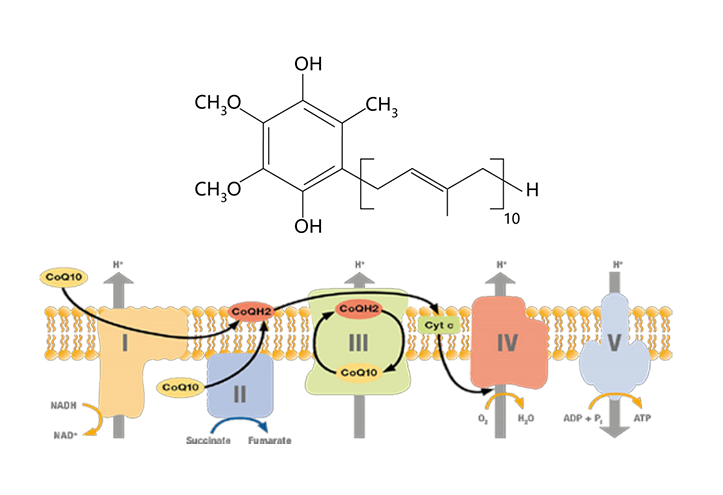
CoQ10 is a coenzyme present in virtually every cell, with the highest concentrations in the heart, liver, and kidneys. Its primary role is to facilitate the production of adenosine triphosphate (ATP), the fundamental currency of energy in the body. Additionally, it acts as a powerful antioxidant, protecting cells from oxidative damage caused by free radicals.
- ATP Production: Functions in the mitochondria (the cell's powerplants) to help generate over 90% of the body's energy.
- Antioxidant Protection: Neutralizes harmful free radicals, preventing damage to cell membranes, proteins, and DNA.
- Declining Levels: Natural CoQ10 levels decrease with age and can be depleted by certain medications, such as statins.
Key Forms: Oxidized (Ubiquinone) vs. Reduced (Ubiquinol)
CoQ10 exists in two main forms in a continuous cycle within the body. The choice between them is a key consideration when selecting any supplement form.
- Ubiquinone: This is the oxidized form. It is the most common and stable form found in supplements. The body must convert ubiquinone into ubiquinol before it can be used.
- Ubiquinol: This is the reduced, antioxidant-ready form. It is believed to be more readily usable by the body, especially for older individuals or those with certain health conditions whose conversion efficiency may be impaired. However, it is less stable and often more expensive.
Coenzyme Q10 Powder: Versatility and Customization
Coenzyme Q10 Powder is a fine, often yellowish substance that can be pure CoQ10 or a blend designed for better mixability. This form offers a unique set of advantages for specific users.
Characteristics and Typical Formulations of Powder
Pure CoQ10 is a fat-soluble crystal, which makes it hydrophobic (repels water). To overcome this and create a user-friendly powder, manufacturers use advanced techniques. For instance, companies like Cocrystal Technology Co., Ltd. utilize cocrystallization to create powder ingredients with improved stability and water dispersion, overcoming the classic challenges of fat-soluble nutrients.
- Pure CoQ10 Crystals: Difficult to mix and not commonly sold directly to consumers.
Enhanced Powders:
- Often include carriers (like maltodextrin) or are processed into specialized forms (like cyclodextrin complexes or cocrystals) to make them water-dispersible and easier to consume.
Advantages of Choosing Coenzyme Q10 Powder
The powder form shines in its flexibility, which can be a significant benefit for many people.
- Dosage Flexibility: Allows you to easily adjust the serving size up or down to meet your specific needs, something that is impossible with pre-dosed capsules.
- No Additives: High-quality powders can contain fewer fillers, gelatin, or other excipients found in capsules.
- Versatile Consumption: It can be added to smoothies, yogurt, oatmeal, or other foods and drinks, which is ideal for those who have difficulty swallowing pills.
Practical Guide: How to Use CoQ10 Powder Effectively
To ensure you get the full benefits, proper usage is key. Knowing how to use CoQ10 powder effectively revolves around overcoming its fat-soluble nature.
- Always Take with Fat: Since CoQ10 is fat-soluble, consuming the powder with a source of dietary fat is non-negotiable for absorption. Mix it into a smoothie with avocado or yogurt, or take it with a meal that contains healthy fats like olive oil or nuts.
- Proper Mixing: Use a small whisk or blender bottle to fully incorporate the powder into your liquid or food to avoid clumping.
- Start Low: Begin with a lower dose to assess tolerance before increasing to the desired amount.
Softgel Capsules: The Convenience and Absorption Standard
Softgel capsules have long been the most popular and clinically studied form of CoQ10 supplementation for a very good reason: they are designed to optimize absorption.
Why Most CoQ10 is Sold in Softgel Form
The manufacturing process of softgels is ideally suited to the physical properties of CoQ10, providing a built-in solution to its biggest challenge.
- Oil-Based Matrix: The CoQ10 is dissolved or suspended in an oil base (like soybean or rice bran oil) within the softgel, creating a pre-emulsified system.
- Protective Shell: The gelatin shell protects the sensitive ingredient from air and light, enhancing its stability and shelf-life.
- Proven Efficacy: Most of the positive clinical trials on CoQ10 supplementation have used oil-based softgel formulations.
The Critical Role of Oil and Fat in Absorption
This is the most critical point of comparison. CoQ10 absorption in the gut is highly dependent on being dissolved in a lipid (fat) medium. Softgels deliver CoQ10 already solubilized in oil, which is readily incorporated into the fat-digestion process (micelle formation), leading to more consistent and efficient absorption into the bloodstream.
Head-to-Head Comparison: CoQ10 Powder Bioavailability vs Softgels
The central question of CoQ10 powder bioavailability vs softgels is complex. Bioavailability refers to the proportion of a nutrient that enters the circulation and is able to have an active effect. The formulation of the powder is the deciding factor.
Breaking Down the Science of Absorption
A standard, non-enhanced Coenzyme Q10 Powder consumed without a sufficient fat source will likely have lower and more variable bioavailability than an oil-based softgel taken with a meal. However, advanced powder technologies that pre-solubilize the CoQ10 or enhance its water dispersibility can achieve bioavailability comparable to, and in some studies, even superior to, standard softgels.
A Detailed Comparison Table
The following table provides a clear, side-by-side look at the key factors to consider when choosing your CoQ10 supplement. This is essential for determining the best CoQ10 form for energy and absorption in your specific context.
| Factor | CoQ10 Powder | CoQ10 Softgels |
| Bioavailability | Variable (Depends on formulation and user's fat intake) | Consistently High (Pre-solubilized in oil) |
| Dosage Control | High (Fully customizable) | Low (Fixed per capsule) |
| Ease of Use | Lower (Requires mixing and conscious fat consumption) | High (Swallow with a meal) |
| Ideal For | Those who dislike pills, need custom dosing, enjoy adding to food/drinks. | Those seeking convenience, proven absorption, and consistent dosing. |
| Key to Efficacy | Must be taken with a significant source of dietary fat. | Should be taken with a meal containing fat. |
Making the Right Choice: Best CoQ10 Form for Energy and Absorption for You
There is no one-size-fits-all answer. The best CoQ10 form for energy and absorption depends on your individual lifestyle, preferences, and health goals.
Who is Powder Best For?
Coenzyme Q10 Powder is an excellent choice for a specific set of users who value flexibility and control.
- Individuals who cannot swallow pills.
- Those who want precise control over their dosage.
- People who regularly consume smoothies, yogurt, or other foods where powder can be easily mixed in.
- Anyone committed to consistently taking it with a high-fat meal or beverage.
Who Should Stick with Softgels?
Softgel capsules remain the gold standard for most people due to their simplicity and reliability.
- First-time users seeking a simple, proven option.
- People with busy lifestyles who need a convenient "take with breakfast" solution.
- Those who may not consistently consume enough fat with their powder.
- Individuals following the specific protocols of clinical studies, which typically use softgels.
FAQ
What is the difference between ubiquinol vs ubiquinone in powder form?
The same fundamental difference applies regardless of the delivery form. Ubiquinone is the oxidized form and requires conversion by the body. Ubiquinol is the active, reduced form and is considered more bioavailable, especially for older adults. In powder form, ubiquinol is typically even more sensitive to air and light than ubiquinone, making packaging and storage crucial. Both can be found in advanced powder formulations designed to protect their stability. The choice between them should be based on your age, health status, and, if possible, consultation with a healthcare provider.
Is it safe to experiment with mixing Coenzyme Q10 powder with food and drinks?
Yes, it is generally safe and is one of the main advantages of the powder form. However, to ensure potency and absorption, avoid mixing it into very hot beverages, as high heat can degrade CoQ10. The key to mixing Coenzyme Q10 powder with food and drinks is to always pair it with a fat source. Ideal mixers include cold or room-temperature smoothies (with yogurt, nut butter, or avocado), oatmeal with a drizzle of oil, or salad dressings.
Can I open a CoQ10 softgel capsule and use the oil inside?
You can, but it's not generally recommended. The oil inside can have a strong, bitter taste that many find unpleasant. Furthermore, by breaking the softgel, you expose the CoQ10 oil to air and light, which can accelerate oxidation and degradation. The dosage is also fixed. It is a messy and less precise alternative to using a purpose-made Coenzyme Q10 Powder.
Why is CoQ10 so much more expensive than other supplements?
CoQ10 is a complex molecule that requires a sophisticated and costly multi-step synthesis process. It is not simply extracted from plants. The raw material cost is high, and the manufacturing processes for both high-bioavailability softgels and advanced, stable powders (like those using cocrystallization) involve significant research, development, and technology, all of which contribute to the final price.
Are there any stability issues with CoQ10 powder compared to capsules?
Potentially, yes. Once a container of powder is opened, it is exposed to oxygen more frequently than individually sealed softgels. This can lead to gradual oxidation over time, reducing its potency. To mitigate this, always keep the powder in its original, airtight container, store it in a cool, dark, dry place, and minimize the time the lid is off. High-quality powders from reputable suppliers will use packaging and formulation techniques designed to maximize stability throughout the product's shelf life.


