


 English
 中文简体
中文简体
Table of Contents
- 1 Understanding Coenzyme Q10 Absorption Challenges
- 2 Optimal Timing and Meal Strategies for Enhanced Bioavailability
- 3 Comparative Analysis of CoQ10 Formulations and Absorption Technologies
- 4 Dosage Strategies and Splitting Protocols
- 5 Synergistic Nutrient Combinations for Enhanced Efficacy
- 6 Preparation and Mixing Techniques for Optimal Dispersion
- 7 Special Considerations for Different Population Groups
- 8 FAQ
- 8.1 What is the recommended daily dosage of Coenzyme Q10 powder?
- 8.2 How long does it take to see benefits from CoQ10 supplementation?
- 8.3 Can I take Coenzyme Q10 powder on an empty stomach?
- 8.4 What is the difference between ubiquinone and ubiquinol CoQ10 forms?
- 8.5 Are there any medications that interact with Coenzyme Q10?
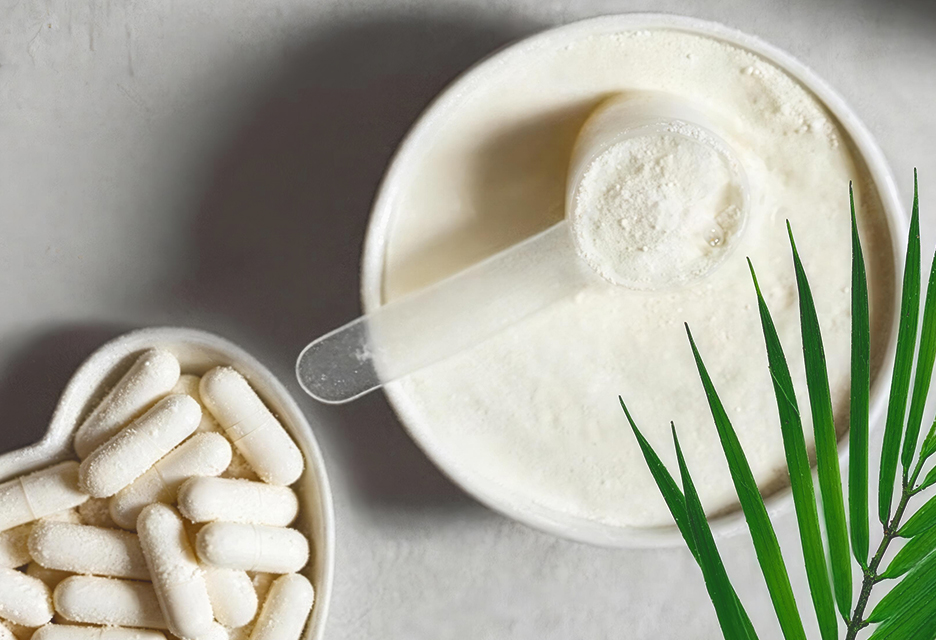
Coenzyme Q10 powder has emerged as a popular supplemental form of this vital mitochondrial nutrient, offering flexibility in dosing and potential cost savings compared to softgel capsules. However, proper administration is crucial since CoQ10 is a fat-soluble compound with variable absorption rates depending on formulation, timing, and accompanying nutrients. This comprehensive guide examines evidence-based strategies to optimize Coenzyme Q10 powder bioavailability, addressing key factors like meal timing, food combinations, dosage splitting, and specialized formulations that significantly impact how much of this essential coenzyme actually reaches your cells to support energy production and antioxidant protection.
Understanding Coenzyme Q10 Absorption Challenges
The fundamental challenge with Coenzyme Q10 powder absorption stems from its molecular structure and physicochemical properties. As a large, lipophilic molecule with high molecular weight and crystalline structure in its pure form, CoQ10 has inherently poor water solubility and limited permeability across intestinal membranes. These characteristics create significant bioavailability hurdles that must be addressed through strategic administration practices and formulation technologies. Understanding these absorption barriers provides the foundation for developing effective supplementation protocols that maximize the therapeutic benefits of this essential mitochondrial nutrient.
- Molecular Size and Lipophilicity: The large, fat-soluble structure requires bile salts and dietary fats for proper emulsification and micelle formation.
- Crystalline Nature: Pure CoQ10 powder tends to form crystals that resist dissolution in gastrointestinal fluids without proper formulation.
- First-Pass Metabolism: Significant portions may be metabolized by intestinal and liver enzymes before reaching systemic circulation.
- Individual Variability: Absorption efficiency varies substantially based on age, digestive health, and genetic factors affecting CoQ10 metabolism.
- Formulation Dependence: Particle size reduction, solubilization technologies, and delivery systems dramatically impact absorption potential.
Optimal Timing and Meal Strategies for Enhanced Bioavailability
The timing of Coenzyme Q10 powder administration relative to meals represents one of the most significant factors influencing absorption efficiency. Research consistently demonstrates that CoQ10 absorption increases 3-5 fold when consumed with dietary fats compared to fasting conditions, as fat stimulates bile secretion and promotes micelle formation necessary for solubilizing this lipophilic compound. However, not all fats are equally effective, and meal composition timing requires strategic consideration to maximize absorption while minimizing potential gastrointestinal discomfort.
- Fat-Containing Meal Timing: Consume CoQ10 powder within 30 minutes of starting a meal containing 10-15 grams of healthy fats.
- Ideal Fat Sources: Medium-chain triglycerides (MCT oil), avocado, nuts, seeds, olive oil, and fatty fish provide optimal absorption enhancement.
- Meal Size Considerations: Moderate-sized meals (400-600 calories) with balanced macronutrients optimize bile flow without overwhelming digestive capacity.
- Evening Administration Benefits: Some research suggests slightly better absorption when taken with the evening meal, potentially due to circadian variations in lipid metabolism.
- Consistent Daily Timing: Maintain consistent administration schedules to establish steady-state blood levels more efficiently.
Comparative Analysis of CoQ10 Formulations and Absorption Technologies
The absorption characteristics of Coenzyme Q10 powder vary significantly based on manufacturing processes and delivery technologies designed to overcome its inherent bioavailability challenges. Different formulation approaches utilize various strategies including particle size reduction, lipid-based delivery systems, and molecular complexation to enhance solubility and intestinal permeability. The table below compares the most common CoQ10 formulation technologies and their relative absorption advantages to inform optimal product selection:
| Formulation Type | Technology Principle | Relative Bioavailability | Administration Requirements | Stability Considerations |
| Standard Powder | Micronized particles | 1x (baseline) | Strictly with high-fat meals | Moderate, requires protection from light/air |
| Ubiquinol Form | Reduced, active form | 3-4x higher absorption | With meals, oxygen-sensitive | Lower, requires special packaging |
| Liposomal Delivery | Phospholipid encapsulation | 4-6x higher absorption | Can be taken with or without food | High in proper formulations |
| Emulsion Systems | Oil-in-water dispersion | 3-5x higher absorption | With or without minimal fat | Moderate to high |
| BioSolv Technology | Molecular dispersion | 5-8x higher absorption | Flexible administration | High in proper formulations |
This comparison highlights why understanding formulation technology is essential when selecting Coenzyme Q10 powder products and determining appropriate dosing strategies.
Dosage Strategies and Splitting Protocols
Effective Coenzyme Q10 powder dosing involves more than simply determining the total daily amount—it requires strategic timing and potential splitting to maintain optimal blood levels throughout the day. While single daily doses are convenient, divided dosing may provide more consistent plasma concentrations, particularly for individuals using higher amounts for therapeutic purposes. Understanding the compound's elimination half-life (approximately 33 hours) and saturation kinetics informs intelligent dosing protocols that maximize tissue accumulation while minimizing potential side effects.
- Single vs. Divided Dosing: For doses under 200mg daily, single administration with the largest meal is typically sufficient; higher doses benefit from splitting.
- Therapeutic Range Considerations: Cardiovascular and neurological applications often require 300-600mg daily, ideally divided into 2-3 doses.
- Loading Phase Strategy: Some practitioners recommend higher initial doses (600-900mg daily) for 2-4 weeks to rapidly replenish tissue stores.
- Maintenance Protocol: After loading, reduce to 100-300mg daily based on individual needs and blood level monitoring when available.
- Individualized Titration: Adjust dosage based on specific health conditions, medication use, age, and perceived energy benefits.
Synergistic Nutrient Combinations for Enhanced Efficacy
Strategic combination of Coenzyme Q10 powder with specific complementary nutrients can significantly enhance its absorption, tissue distribution, and functional efficacy within mitochondrial membranes. Certain vitamins, minerals, and phytonutrients work through complementary mechanisms to support CoQ10 stability, recycling between its oxidized and reduced forms, and integration into cellular energy production pathways. Understanding these synergistic relationships enables more effective supplementation protocols that maximize the functional benefits of CoQ10 supplementation.
- Vitamin E (Tocopherols/Tocotrienols): Protects CoQ10 from oxidation and works synergistically as a lipid-soluble antioxidant in cellular membranes.
- Omega-3 Fatty Acids: Enhance incorporation into mitochondrial membranes while providing the lipid medium necessary for optimal absorption.
- L-Carnitine: Supports mitochondrial fatty acid transport, complementing CoQ10's role in the electron transport chain.
- Selenium: Essential cofactor for enzymes that recycle oxidized CoQ10 back to its active reduced form (ubiquinol).
- B-Vitamin Complex: Particularly pantothenic acid (B5) and riboflavin (B2) support CoQ10-dependent enzymatic reactions in energy metabolism.
Preparation and Mixing Techniques for Optimal Dispersion
Proper preparation of Coenzyme Q10 powder significantly impacts its dissolution characteristics and subsequent absorption in the gastrointestinal tract. Due to its hydrophobic nature, simple stirring into water or juice often results in incomplete dispersion, with powder particles clumping or floating on the liquid surface. Specialized mixing techniques and vehicle selection can dramatically improve dispersion stability, creating finer particle distribution that increases surface area contact with digestive enzymes and absorption facilitators.
- Liquid Vehicle Selection: Use room temperature or slightly warm liquids (never hot) with some lipid content like plant-based milks or smoothies.
- Layering Technique: Place powder on liquid surface, let partially hydrate for 30 seconds, then stir vigorously for 60 seconds.
- Small Volume Pre-Mixing: Create a concentrated paste with a minimal amount of oil or fatty liquid before diluting to full volume.
- Blender Bottle Utilization: Use shaker bottles with mixing balls or mesh agitators to create finer dispersions than manual stirring.
- Timing of Consumption: Drink prepared mixtures within 10-15 minutes of preparation to prevent particle reaggregation.
Special Considerations for Different Population Groups
Optimal Coenzyme Q10 powder administration protocols require adjustment based on individual characteristics including age, health status, medication use, and specific physiological considerations. Different population groups exhibit variations in CoQ10 absorption, tissue distribution, and metabolic requirements that influence dosing strategies and administration timing. Understanding these population-specific considerations ensures supplementation protocols are appropriately tailored to maximize benefits while addressing unique physiological needs.
- Older Adults (65+): Typically require higher doses due to age-related decline in endogenous CoQ10 synthesis and potential medication interactions.
- Statin Medication Users: Often need 100-200mg daily to counter drug-induced depletion, ideally taken separately from medication timing.
- Athletes and Active Individuals: May benefit from pre-exercise dosing (30-60 minutes before activity) for potential performance enhancement.
- Vegetarians and Vegans: Might require strategic fat source selection since typical Western high-fat foods may be absent from their diets.
- Individuals with Digestive Concerns: Those with gallbladder issues or fat malabsorption may require specialized formulations or bile salt supplements.
FAQ
What is the recommended daily dosage of Coenzyme Q10 powder?
The optimal Coenzyme Q10 powder dosage varies based on individual health status, age, and specific wellness goals. General maintenance dosing for healthy adults typically ranges from 100-200mg daily, while therapeutic applications for cardiovascular health, neurological support, or statin medication users often require 300-600mg daily. For specific conditions like congestive heart failure, some clinical studies have used up to 900mg daily under medical supervision. It's generally recommended to start with 100-200mg daily and gradually increase based on tolerance and perceived benefits, ideally splitting higher doses throughout the day to maintain stable blood levels.
How long does it take to see benefits from CoQ10 supplementation?
The timeframe for experiencing noticeable benefits from Coenzyme Q10 powder supplementation varies based on individual biochemistry, baseline CoQ10 status, dosage, and formulation quality. Some individuals report increased energy levels within 1-3 weeks, particularly when using highly bioavailable forms taken with optimal fat sources. For cardiovascular benefits and significant tissue saturation, most research indicates 4-12 weeks of consistent supplementation is necessary to achieve optimal blood and tissue levels. Mitochondrial benefits continue to accumulate over several months as CoQ10 incorporates into cellular membranes throughout the body.
Can I take Coenzyme Q10 powder on an empty stomach?
Taking Coenzyme Q10 powder on an empty stomach is generally not recommended as absorption may be reduced by up to 80% compared to administration with dietary fats. Without sufficient fat to stimulate bile secretion and facilitate micelle formation, the lipophilic CoQ10 molecules have limited solubility in gastrointestinal fluids, significantly reducing bioavailability. Additionally, some individuals experience mild gastrointestinal discomfort when taking CoQ10 without food. If you must take it between meals, combine with a small fat-containing snack like nuts, avocado, or a teaspoon of MCT oil to support adequate absorption.
What is the difference between ubiquinone and ubiquinol CoQ10 forms?
Ubiquinone is the oxidized form of Coenzyme Q10 powder, while ubiquinol represents the reduced, antioxidant form. In the body, these forms exist in a dynamic equilibrium, with ubiquinol comprising 90-95% of circulating CoQ10 in healthy individuals. Ubiquinol supplements typically offer higher bioavailability and may be particularly beneficial for older adults, individuals with specific health conditions, or those taking medications that impair the conversion process. However, high-quality ubiquinone formulations with advanced delivery technologies can also provide excellent absorption and effectively raise both ubiquinone and ubiquinol levels in the body.
Are there any medications that interact with Coenzyme Q10?
Coenzyme Q10 powder may interact with several medication classes, most notably blood-thinning medications like warfarin, as CoQ10 has similar structural properties to vitamin K and may potentially reduce anticoagulant effectiveness. Additionally, CoQ10 might theoretically lower blood pressure, potentially enhancing the effects of antihypertensive medications. Some evidence suggests CoQ10 may affect blood sugar levels, potentially requiring adjustment of diabetes medications. Most significantly, statin medications deplete endogenous CoQ10 production, making supplementation particularly important for users of these drugs. Always consult with a healthcare provider before combining CoQ10 with prescription medications.


