


 English
 中文简体
中文简体
Table of Contents
In the increasingly competitive nutraceutical and personal‑care landscape, sourcing high‑performance actives is critical. This guide focuses on Silybin Powder, a purified flavonolignan derived from milk thistle seeds, and provides a detailed procurement‑oriented comparison with other plant‑based actives. We explore how to evaluate its formulation attributes (such as silybin powder formulation for bioavailability), contrast it with other flavonolignans (silybin powder vs other flavonolignans), implement a robust procurement checklist (silybin powder procurement guide for nutraceuticals), plan for synergy (silybin powder combination with other plant actives), and address key technical factors like silybin powder stability and solubility considerations.
Introduction
What is Silybin Powder?
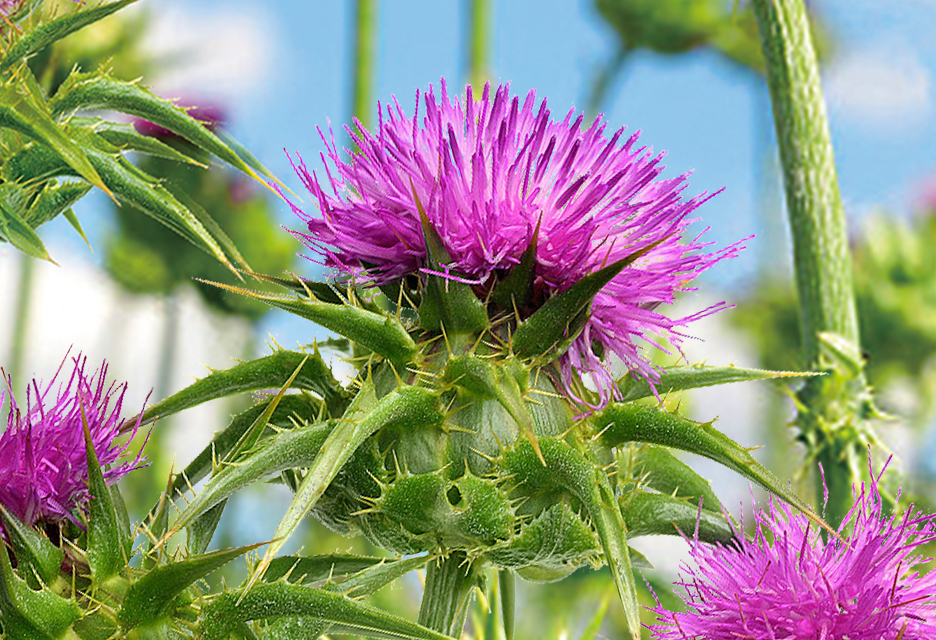
- Silybin (also known as silibinin) is the major flavonolignan isolated from the seeds of the milk‑thistle plant, accounting for 50‑70% of silymarin extracts. :contentReference[oaicite:0]
- As a powder form, Silybin Powder offers high‑purity active, designed for advanced formulation and targeted functional effects.
- It presents typical challenges such as low water solubility and modest oral bioavailability — making formulation and sourcing key.
Why procurement matters for nutraceutical manufacturers
- Performance of the finished product depends on the quality, purity, and formulation readiness of the active ingredient.
- Proper sourcing ensures consistency, regulatory compliance, and optimized cost structure.
- Having a robust procurement strategy for Silybin Powder means you can leverage its advantages while managing risks such as stability, solubility and supply chain variability.
Understanding the long‑tail angles
silybin powder formulation for bioavailability
- Silybin's fat‑soluble nature and low water solubility limit its raw absorption.
- Advanced formulations (such as cocrystals, phospholipid complexes) are commonly used to enhance bioavailability.
- From a procurement perspective, selecting a Silybin Powder with formulation support or compatibility is a key decision point.
silybin powder vs other flavonolignans
- Other flavonolignans (e.g., part of broader silymarin extract) may include silychristin, isosilybin, silidianin.
- By isolating Silybin Powder you obtain a more defined, high‑purity active versus mixed extracts.
- This can translate into tighter dosing, clearer specification, and potentially superior performance in targeted applications.
silybin powder procurement guide for nutraceuticals
- Key procurement criteria include: purity (>90 % or higher), batch‑to‑batch consistency, solubility benchmark, certificate of analysis, residual solvent profile, heavy metals.
- Supply chain considerations: origin of raw milk thistle seeds, extraction process, manufacturing GMP compliance, storage stability.
- Cost‑versus‑value: high‑purity Silybin Powder may cost more, but allows for lower dosing and streamlined formulation.
silybin powder combination with other plant actives
- Combining Silybin Powder with other plant actives (for example curcumin, resveratrol) can yield multi‑pathway support (e.g., liver support + antioxidant/anti‑inflammatory).
- From a formulation and procurement perspective, compatibility (solubility, stability, excipients) must be assessed.
- Selecting a Silybin Powder ready for co‑formulation simplifies product development and reduces risk.
silybin powder stability and solubility considerations
- Because Silybin Powder is fat‑soluble and poorly water‑soluble, the powder must be stored and handled to avoid moisture uptake, oxidation and light exposure.
- Procurement specifications should include solubility testing, dissolution benchmarks and stability under light/heat/humidity.
- Choosing a powder form compatible with formulation technology (e.g., micronisation, cocrystal, complexation) supports downstream manufacturing.
Detailed comparison: Silybin Powder vs selected plant‑active ingredients
Selection of comparators
- For comparison we select key plant actives common in nutraceuticals: (a) curcumin, (b) resveratrol.
- The aim is to benchmark how Silybin Powder stacks up in terms of solubility, bioavailability, stability and niche targeting.
Comparison table – key metrics
| Parameter | Silybin Powder | Curcumin | Resveratrol |
| Primary target/benefit | Liver‑support, antioxidant, flavonolignan | Anti‑inflammatory, antioxidant, general wellness | Polyphenol, cardiovascular, antioxidant support |
| Solubility | Poor water solubility, fat‑soluble | Poor water solubility, requires special delivery systems | Moderate solubility, still formulation challenge |
| Bioavailability | Improved via advanced formulation (e.g., cocrystal, phospholipid) | Limited unless formulated with piperine or nanotechnology | Better than many polyphenols, but still modest |
| Stability | Requires protection from light/heat/moisture | Sensitive to degradation, stability a key issue | Relatively stable, but prone to oxidation |
| Niche/market positioning | High‑purity liver‑focused flavonolignan active | Broad anti‑inflammatory wellness active | Cardio/antioxidant niche |
Why Silybin Powder may offer advantages
- The high‑purity definition enables formula developers to control dosage and performance more tightly compared to mixed extracts.
- Because of its defined liver‑support niche, it can complement other actives rather than compete directly.
- From a procurement viewpoint, if one selects a supplier with advanced formulation readiness (for example cocrystal technology), downstream development is smoother.
Procurement and application recommendations
Specification and quality control checklist
- Purity: aim for ≥ 90–98 % Silybin content.
- Certificate of Analysis: includes assay, impurities, heavy metals, solvent residues.
- Solubility or dissolution benchmark: check manufacturer data for solubility in fat‑media or enhanced systems.
- Stability data: accelerated aging, moisture uptake, light exposure.
- Formulation readiness: is the powder micronised, compatible with delivery format (capsule, powder blend, personal‑care lotion)?
Formulation tips for maximising performance
- Since Silybin Powder is fat‑soluble, including it in oil dispersion, soft‑gel, or co‑microemulsion formats can boost absorption.
- Co‑formulate with actives that support liver and detox pathways for complementary benefit (for example antioxidant, anti‑inflammatory actives).
- Ensure excipients used do not inhibit absorption — for example avoid excessive hydrophilic binders that may limit fat‑soluble uptake.
Combination application strategies in human nutrition, animal nutrition, personal care
- Human nutrition: use Silybin Powder as a defined liver‑support actives, paired with antioxidant/anti‑inflammatory actives for holistic wellness.
- Animal nutrition: high‑performance actives for liver health in companion animals or livestock; procurement of a stable, high‑purity powder ensures dosing precision.
- Personal care: topical or ingestible formats where Silybin Powder may contribute antioxidant protection; here formulation readiness (solubility, compatibility) is important.
Conclusion
Summary of procurement insights
- Effective procurement of Silybin Powder means focusing on high‑purity specification, verified formulation data, supplier credibility and supply chain transparency.
- Comparison with other plant actives shows Silybin Powder holds a defined niche and can provide formulation advantages particularly in liver‑support and antioxidant segments.
- Considering stability, solubility and formulation compatibility early in procurement reduces downstream risk and accelerates time‑to‑market.
How our company supports these needs
At Cocrystal Technology Co., Ltd., founded by distinguished scientists affiliated with national laboratories, we specialise in cocrystal technology — an advanced formulation method that significantly enhances the stability, solubility, and bioavailability of active ingredients. As an industry leader in cocrystal‑based nutraceuticals, we offer a diverse range of premium active ingredients tailored for human nutrition, animal nutrition, and personal care. Our cocrystal technology platform empowers our products with unique properties, ensuring optimal nutrient performance and delivering tangible health benefits. When procuring Silybin Powder, partnering with a supplier that brings advanced formulation capability — such as our company — ensures that you not only source the ingredient, but also gain performance‑driven formulation readiness.
By leveraging a structured procurement checklist and applying the comparison framework above, you can make informed choices, reduce risk, and deliver high‑performance products to market.
Frequently Asked Questions (FAQ)
- Q1: What purity level should I require for Silybin Powder? A1: Ideally ≥ 90 % Silybin content, with a full Certificate of Analysis confirming assay, impurities, solvent residues, heavy metals.
- Q2: How does Silybin Powder compare to other flavonolignans in terms of formulation readiness? A2: Because Silybin Powder is a defined single active rather than a mixture, it tends to simplify dosing and specification control—but still requires solubility/formulation attention.
- Q3: What key formulation challenges should I anticipate with Silybin Powder? A3: Primary challenges are its poor water solubility, fat‑soluble nature, and potential stability issues under light/heat/humidity—so formulation and storage design matter.
- Q4: Can Silybin Powder be effectively combined with other plant actives? A4: Yes — combining with antioxidant/anti‑inflammatory actives can deliver synergistic benefits; key is checking compatibility (solubility, excipients, dosage forms).
- Q5: How does choosing a supplier with formulation capability benefit procurement of Silybin Powder? A5: A supplier with advanced formulation expertise (for example cocrystal, micronisation) will deliver a powder that is easier to incorporate, more stable, and has better downstream performance—reducing development cost and risk.


