


 English
 中文简体
中文简体
Table of Contents
- 1 1. Molecular Composition: Silybin Isolate vs. Standard Silymarin Complex
- 2 2. The Bioavailability Barrier in Silybin Formulations
- 3 3. Technical Advantages of Cocrystal Technology for Silybin
- 4 4. Clinical Implications of High-Bioavailability Silybin
- 5 5. Conclusion: The Future of Liver Nutrition
- 6 Frequently Asked Questions (FAQ)
- 6.1 1. What is the main difference between silybin vs silymarin for liver health?
- 6.2 2. Why is silybin bioavailability enhancement necessary?
- 6.3 3. How does cocrystal technology improve the solubility of silybin in water?
- 6.4 4. Does high-purity Silybin Powder have a better shelf life?
- 6.5 5. Is cocrystal silybin safe for human and animal nutrition?
- 7 Related Industry References
In the landscape of hepatoprotective nutraceuticals and pharmaceuticals, the transition from crude extracts to purified isolates has highlighted a significant physiological hurdle: solubility. While standard silymarin has been the traditional go-to for liver support, modern pharmaceutical engineering focuses on Silybin Powder, the most biologically active flavonoid lignan within the silymarin complex. However, the therapeutic potential of silybin is severely limited by its hydrophobic nature and poor intestinal permeability. Cocrystal Technology Co., Ltd., founded by distinguished scientists from national laboratories, addresses this challenge through advanced cocrystal technology. By re-engineering the crystalline structure of active ingredients, we significantly enhance the stability, solubility, and silybin bioavailability enhancement, ensuring that the Silybin Powder reaches systemic circulation at efficacious concentrations.
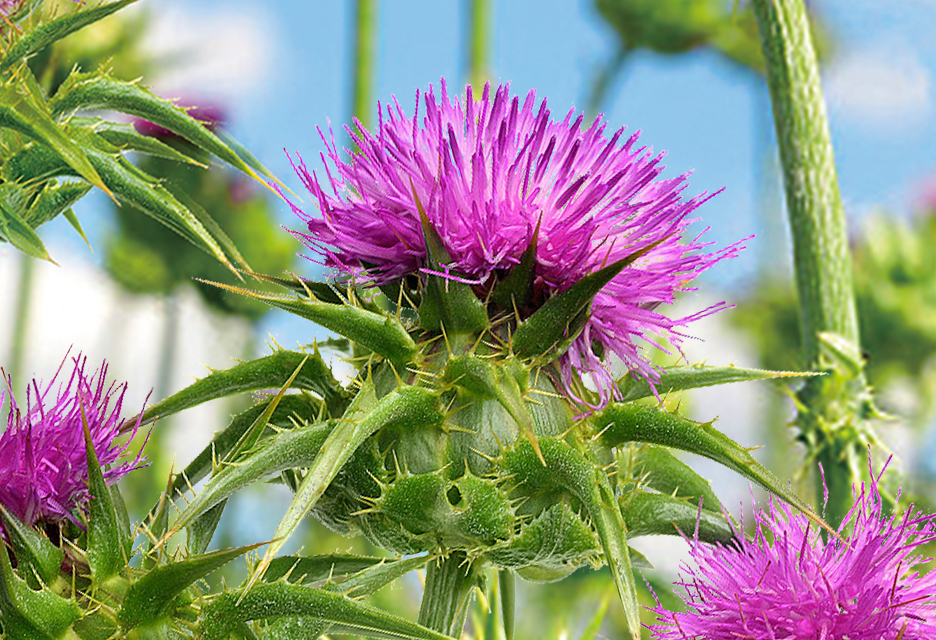
1. Molecular Composition: Silybin Isolate vs. Standard Silymarin Complex
Standard silymarin is a multi-component extract containing silybin, isosilybin, silydianin, and silychristin. While this complex is widely used, Silybin Powder represents the purified isomeric mixture (Silybin A and Silybin B) that accounts for the majority of the extract's antioxidant and anti-inflammatory properties. The primary difference lies in target precision; silybin vs silymarin for liver health studies indicate that purified silybin provides more predictable pharmacological responses. However, as purity increases, the crystalline lattice of silybin becomes more stable and harder to dissolve in aqueous gastric fluids compared to the amorphous mixture found in crude silymarin extracts.
Comparison: Chemical Profiles and Isolate Purity
Purified silybin offers a concentrated therapeutic profile but requires advanced formulation techniques to overcome its inherent low solubility.
| Attribute | Standard Silymarin Extract | Purified Silybin Powder |
| Composition | Complex mixture of 4-6 flavonolignans | Purified Isomers (A and B) |
| Active Concentration | Typically 40% - 80% | Up to 98%+ |
| Pharmacological Focus | General antioxidant support | Targeted hepatoprotection and anti-fibrotic action |
2. The Bioavailability Barrier in Silybin Formulations
The solubility of silybin in water is extremely low (less than 50 micrograms per milliliter), classifying it as a BCS Class II or IV compound depending on the dosage. This low solubility leads to incomplete absorption in the gastrointestinal tract, resulting in a short half-life and low plasma concentrations. When examining how to increase silybin absorption, traditional methods used lipid-based delivery systems (phytosomes), but these often face challenges with physical stability and ingredient loading. Cocrystal Technology Co., Ltd. utilizes a cocrystal platform to create a new molecular crystalline form. By pairing Silybin Powder with a food-grade co-former, we alter the thermodynamic properties of the ingredient, allowing it to dissolve rapidly without changing the chemical nature of the silybin itself.
Comparison: Dissolution Rates and Absorption Mechanics
Cocrystal-engineered silybin demonstrates significantly faster dissolution kinetics compared to the unrefined crystalline powder.
| Parameter | Standard Silybin Powder | Cocrystal-Enhanced Silybin |
| Water Solubility | Extremely Low (Hydrophobic) | Significantly Enhanced (Hydrophilic Shift) |
| Dissolution Rate | Slow (Incomplete in GI transit time) | Rapid (Optimal T-max achievement) |
| Bioavailability Factor | Low (Approx. 0.95% - 2%) | High (Multi-fold increase in AUC) |
3. Technical Advantages of Cocrystal Technology for Silybin
In pharmaceutical manufacturing, Silybin Powder must not only be bioavailable but also stable during the shelf life of the final product. Traditional amorphous dispersions can undergo "recrystallization," where the ingredient reverts to its insoluble form over time. Our cocrystal technology empowers products with unique properties by forming strong hydrogen bonds between the silybin and the co-former. This ensures optimal nutrient performance and long term stability of silybin formulations. This engineering-level approach allows for high-dose density in capsules or tablets without the bulkiness associated with oil-filled softgels or complex emulsions.
4. Clinical Implications of High-Bioavailability Silybin
The clinical efficacy of silybin is dose-dependent. Low bioavailability means patients must consume large quantities of standard extract to reach therapeutic levels, often leading to poor compliance. By utilizing Silybin Powder enhanced via cocrystallization, the required dosage can be significantly reduced while achieving the same or better plasma levels. Furthermore, the benefits of high purity silybin for liver support are more pronounced in clinical settings for conditions like NAFLD (Non-Alcoholic Fatty Liver Disease) and oxidative stress-induced liver damage, as the high-purity isolate reduces the metabolic load of processing non-active plant compounds found in crude extracts.
Key Performance Metrics of Cocrystal Silybin:
- Increased Solubility: Overcoming the BCS Class II limitation.
- Enhanced AUC: Higher "Area Under the Curve" in pharmacokinetic profiles.
- Improved Stability: Resistance to humidity and temperature-induced degradation.
- Regulatory Compliance: Utilizing food-grade co-formers for human and animal nutrition.
5. Conclusion: The Future of Liver Nutrition
The evolution from standard silymarin to high-purity Silybin Powder represents a major step forward in liver health science. However, without addressing the bioavailability gap, the benefits of purification remain untapped. Cocrystal Technology Co., Ltd. is at the forefront of this transition, bridging the gap between raw ingredient purity and tangible health benefits. Through our specialized cocrystal platform, we ensure that Silybin Powder is no longer just a premium ingredient on the label, but a highly effective, bioavailable solution for global nutrition and personal care markets.
Frequently Asked Questions (FAQ)
1. What is the main difference between silybin vs silymarin for liver health?
Silymarin is the total extract containing many compounds, while Silybin is the most active single component. Silybin provides a more targeted therapeutic effect, but it is harder for the body to absorb in its raw form compared to the crude extract.
2. Why is silybin bioavailability enhancement necessary?
Raw silybin is poorly soluble in water and gastric juices. Enhancement is necessary to ensure the ingredient dissolves and enters the bloodstream before it is excreted, allowing it to actually reach the liver and perform its protective functions.
3. How does cocrystal technology improve the solubility of silybin in water?
Cocrystal technology pairs silybin with a "co-former" molecule in the same crystal lattice. This changes the physical way the crystal breaks apart in water, significantly increasing the rate and amount of silybin that can dissolve.
4. Does high-purity Silybin Powder have a better shelf life?
Standard silybin is stable, but high-purity versions can be sensitive to environmental factors. Our cocrystal technology improves long term stability of silybin formulations by creating a more robust molecular structure that resists moisture and heat.
5. Is cocrystal silybin safe for human and animal nutrition?
Yes. Our technology uses food-grade co-formers and is designed to meet the strict safety standards required for both human supplements and high-performance animal nutrition products.
Related Industry References
- USP-NF Monographs: Silymarin and Silybin standardizations.
- Journal of Pharmaceutical Sciences: "Cocrystallization as a strategy to enhance the solubility of poorly soluble drugs."
- World Journal of Hepatology: "Silybin: A Review of its Pharmacochemistry and Clinical Applications."
- Internal R&D White Papers, Cocrystal Technology Co., Ltd. (2025-2026).


