


 English
 中文简体
中文简体
Table of Contents
- 1 1. The "Invisible Loss" of Health Investment: When Spending Does Not Equal Health Returns
- 2 2. Collapse of Trust: When Scientific Promises Meet Reality Gaps
- 3 3. Missed "Health Intervention Windows": The Invisible Long-Term Cost
- 4 4. Technological Breakthrough: The Scientific Path to Solving the Efficiency Bottleneck
- 5 5. Reconstructing the Value System: A Cognitive Revolution from Ingredient Content to Effective Dose
- 6 6. Conclusion: Welcoming a New Era of Precision Nutrition

1. The "Invisible Loss" of Health Investment: When Spending Does Not Equal Health Returns
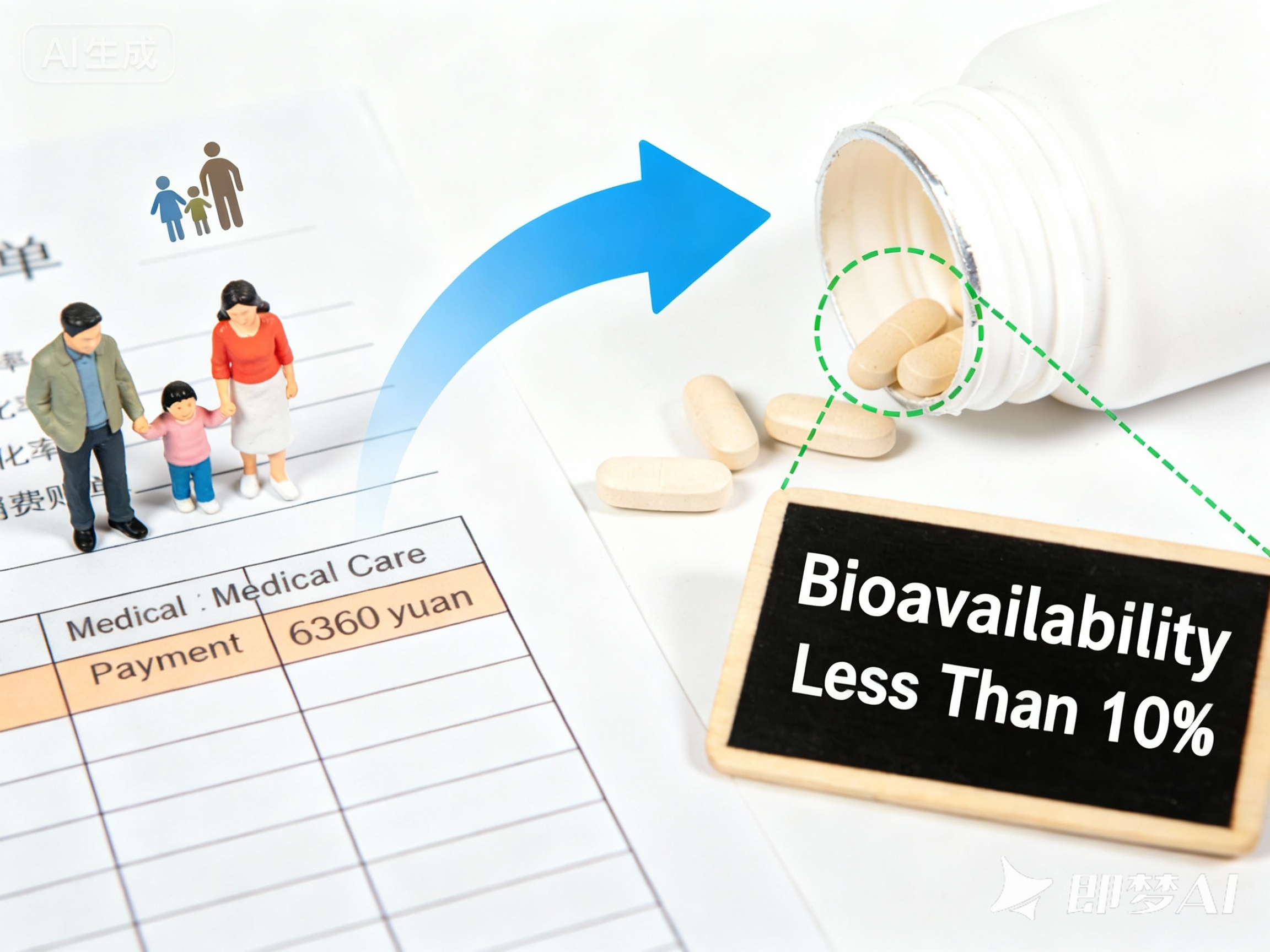
Let's start with a basic calculation from a household economics perspective. According to 2022 data from the National Bureau of Statistics², per capita healthcare expenditure for urban residents in China was 2,120 yuan, accounting for 8.6% of total per capita consumption expenditure. For a typical family of three, this means annual spending in health-related areas is approximately 6,360 yuan, with dietary nutritional supplements taking an increasingly larger share.
However, a critical "conversion rate gap" exists here. The United States Pharmacopeia (USP) states clearly in its dedicated chapter on dietary supplements³: "The amount of active ingredient is not equivalent to the amount that is bioavailable." This is a scientific fact often cleverly obscured by marketing language.
Taking fat-soluble nutrients as an example, multiple studies confirm that when supplemented in isolation without considering absorption efficiency, their bioavailability can be less than 10%. This means that for the price consumers pay for 100mg of an active ingredient, the amount their bodies can actually utilize may be less than 10mg—the 90mg difference creates a real "health absorption tax," generating neither health benefits nor consumer returns.
2. Collapse of Trust: When Scientific Promises Meet Reality Gaps
"Why don't I feel any different after taking it for three months?"
This question appears repeatedly across major health forums, revealing a trust crisis within the entire health consumption sector.
We observe a typical cycle of consumer psychology:
"Invest money → Purchase product → Adhere to usage → Experience no sensation → Lose confidence → Abandon or switch"
This process often repeats several times, ultimately leading to one of two outcomes: either getting caught in a consumption loop of "constantly trying new products," or completely rejecting the value of scientific supplementation and reverting to unhealthy lifestyles.
The core issue lies not with nutrition science itself, but in the severe information attenuation between a product's "lab data" and the "consumer's physical experience." Consumers buy the "promise on the bottle" but experience the "discount of the digestive system." This gap erodes the credibility of the entire industry, inadvertently undermining genuinely valuable scientific nutrition concepts.
3. Missed "Health Intervention Windows": The Invisible Long-Term Cost
More alarming than the financial loss is the silent erosion of health opportunities.
Modern preventive medicine emphasizes the concept of the "window of opportunity"—the most effective and least costly interventions occur when the body first shows early signals, similar to firefighting focusing on prevention rather than suppression.
However, inefficient nutrient delivery systems cause us to "miss the optimal intervention timing." When the body sends early fatigue signals, it needs timely energy support; when metabolic markers show subtle changes, it requires precise, targeted regulation. But if supplemented nutrients, due to absorption efficiency issues, fail to reach target organs at effective concentrations promptly, the intervention loses its optimal timing.

This delay has no immediate, obvious consequences but subtly influences health trajectories over time. Years of accumulated "supplementation without sufficient utilization" can quietly alter an individual's health path. When countless minor individual "efficiency losses" aggregate, they form a heavy societal burden of chronic disease.
4. Technological Breakthrough: The Scientific Path to Solving the Efficiency Bottleneck
To break this deadlock, we must return to the essence of the problem: how to improve the full-chain efficiency "from oral intake to the target site."
A fundamental shift is occurring in the international nutrition science community—from focusing on "ingredient discovery" to tackling "delivery efficiency." Multiple reviews in the journal *Advanced Drug Delivery Reviews*⁴ indicate that improving bioavailability has become the core challenge in nutrient development.
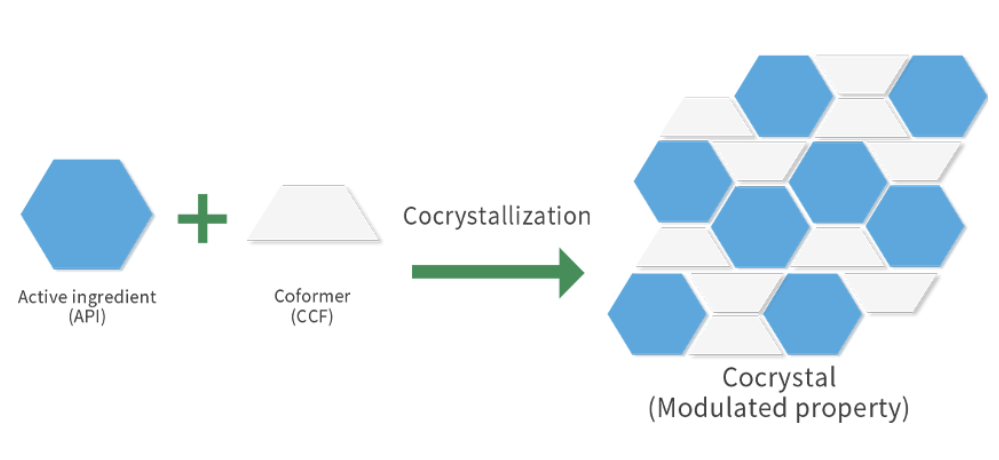
In this context, innovative delivery methods like cocrystal technology⁵ show distinct advantages. Without altering the nutritional ingredient itself, it adjusts the molecular structure to make nutrients dissolve better and be more easily absorbed by the body. The advantages of these cocrystal products compared to ordinary versions are clear:

- Reduced Coenzyme Q10 Cocrystal: The ordinary version absorbs slowly and has low solubility. The cocrystal version can increase absorption rate by up to 8 times and solubility by 38 times. Taking a smaller amount can more effectively help the heart replenish energy.
- Silybin Cocrystal: Ordinary silybin is difficult to absorb, requiring 6 capsules for sufficient effect. The cocrystal version increases absorption rate by 16 times and solubility by 100 times. One capsule achieves the liver-protecting effect of 6 capsules of the ordinary version.
The benefits of this technology are tangible: consumers don't need to take large doses, reducing bodily burden while experiencing effects faster. Money spent translates more substantively into health benefits.
5. Reconstructing the Value System: A Cognitive Revolution from Ingredient Content to Effective Dose
This technological evolution is driving a transformation of the entire industry's value assessment system.
The traditional value assessment formula is:
Product Price ÷ Labeled Content = Cost per Milligram
The future value formula should be:
Product Price ÷ (Labeled Content × Bioavailability) = Cost per Milligram of "Bioavailable Dose"
This shift will push industry competition to evolve from "ingredient concept marketing" to "real efficacy verification," and from a "content numbers game" to a "scientific efficiency race." Consumers will also gain new decision-making tools—no longer just asking "how much does it contain?" but questioning "how much can I absorb and utilize?"
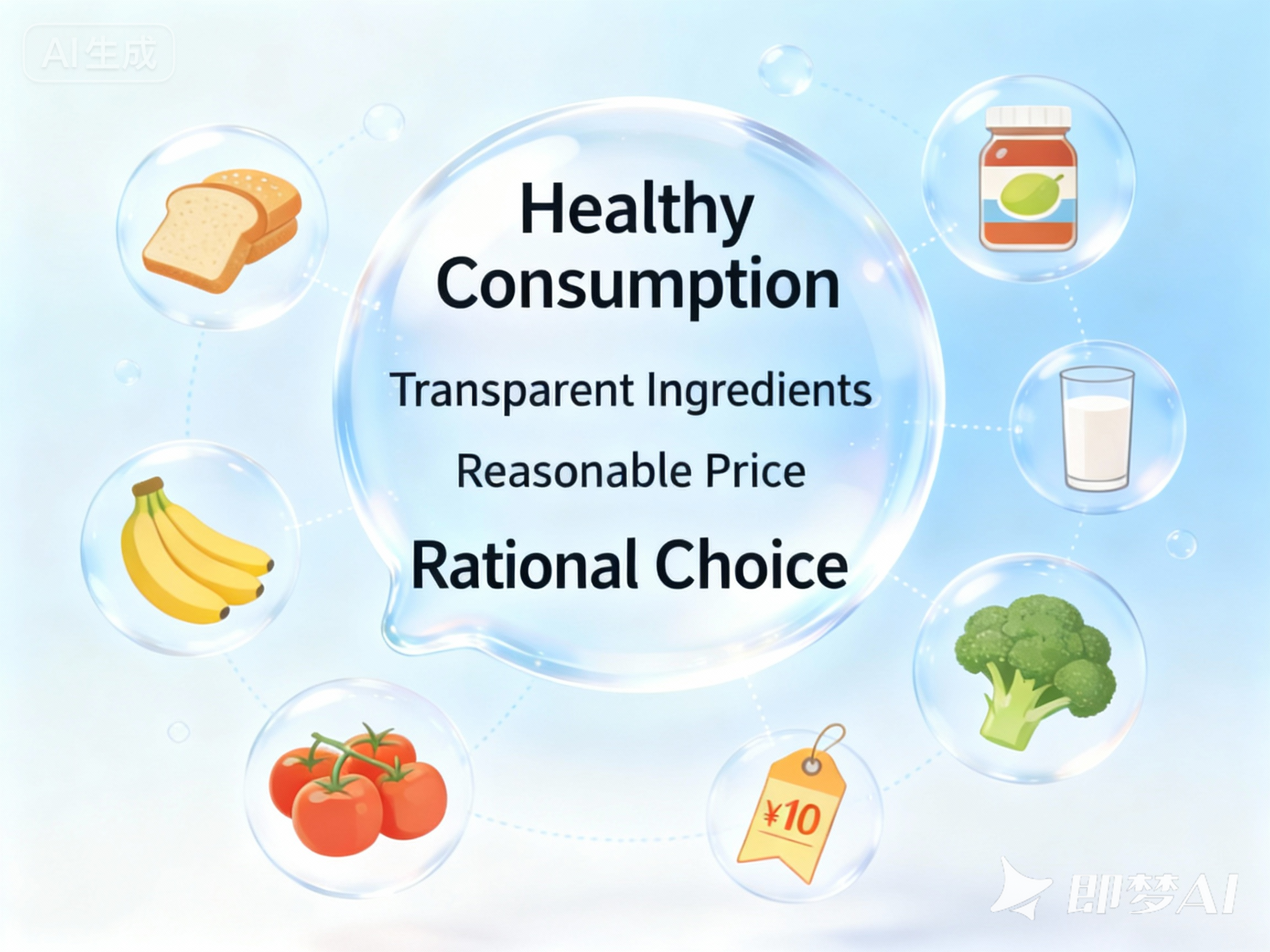
This also presents new requirements for industry standards and regulation. In the future, product labels may need to provide scientifically validated "bioavailable dose" reference information, similar to how food labels display "nutrition facts," making health consumption more transparent and rational.
※Note: The above formulas are based on comparisons between products with the same ingredient and efficacy, and bioavailability must be scientific data under unified testing standards.
6. Conclusion: Welcoming a New Era of Precision Nutrition
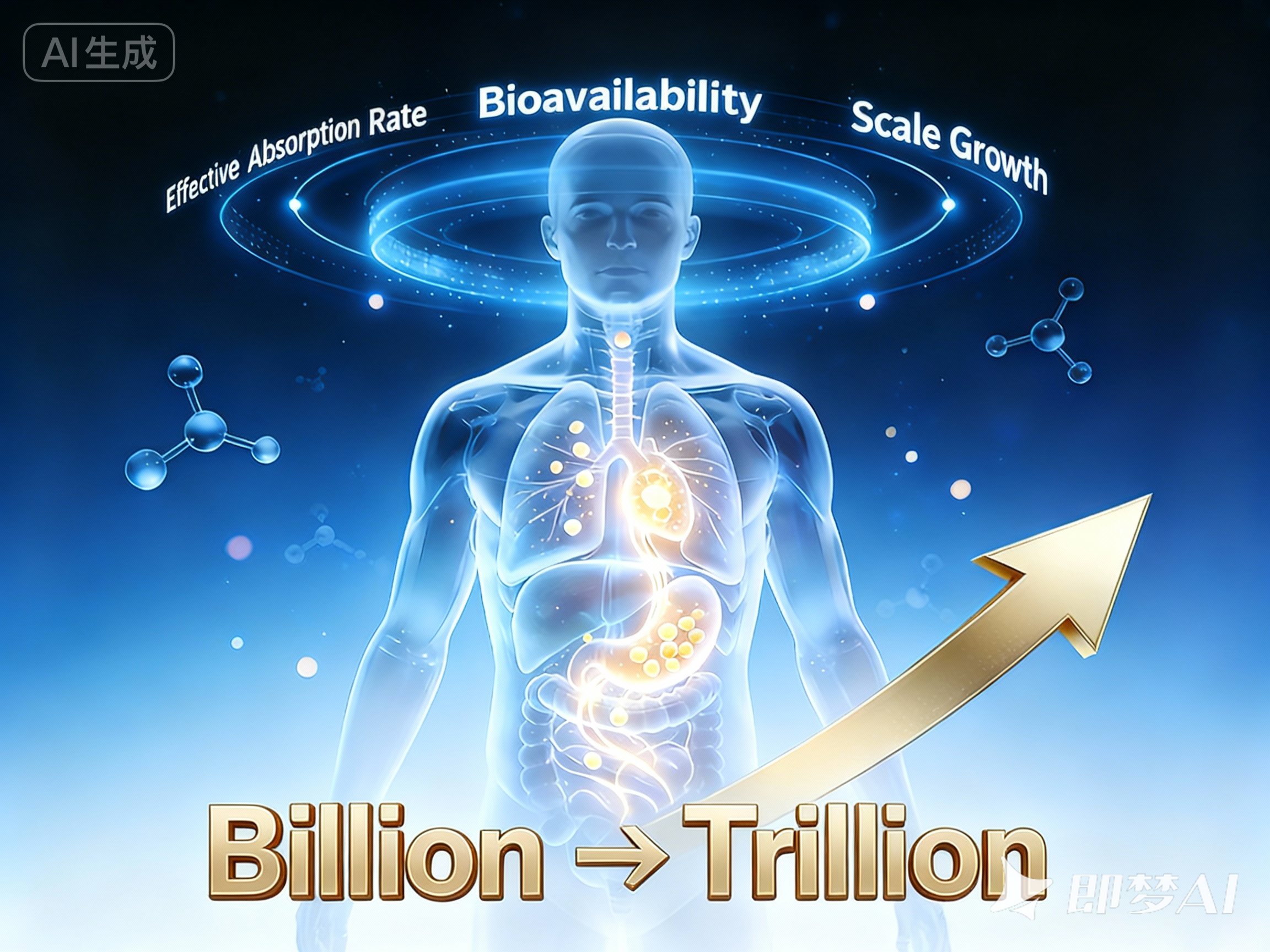
As health consumption scales from hundreds of billions to trillions, the fundamental question we face is no longer "should we invest in health?" but "how can we make our health investments more efficient?"
Breakthroughs in science and technology show us new possibilities: by improving the delivery efficiency of nutrients, we can break the dilemma of "consuming but not utilizing"; through precise targeted design, we can ensure every bit of nutrition is used to its fullest. This is not just a product upgrade, but an evolution of the entire health consumption concept—moving from vague "wellness" to precise "maintenance," from generalized "supplementation" to targeted "support."
When consumers can reassess health products using "effective absorption efficiency," and when the core of corporate competition focuses on "true bioavailability," we will collectively usher in a new era of more transparent, efficient, and responsible health consumption.
In this new era, every health investment will receive its due return, and every nutritional supplement will precisely reach its intended destination. This is not merely a victory of technology, but science and reason's solemn promise to healthy living.


